HomeDestinations— Asia— Europe— Americas & AfricaCultural GuidesTraditionsMuseumsFestivalsArchitectureEducational TravelResourcesBlogAboutContact
Living Heritage

Traditions That
Endure

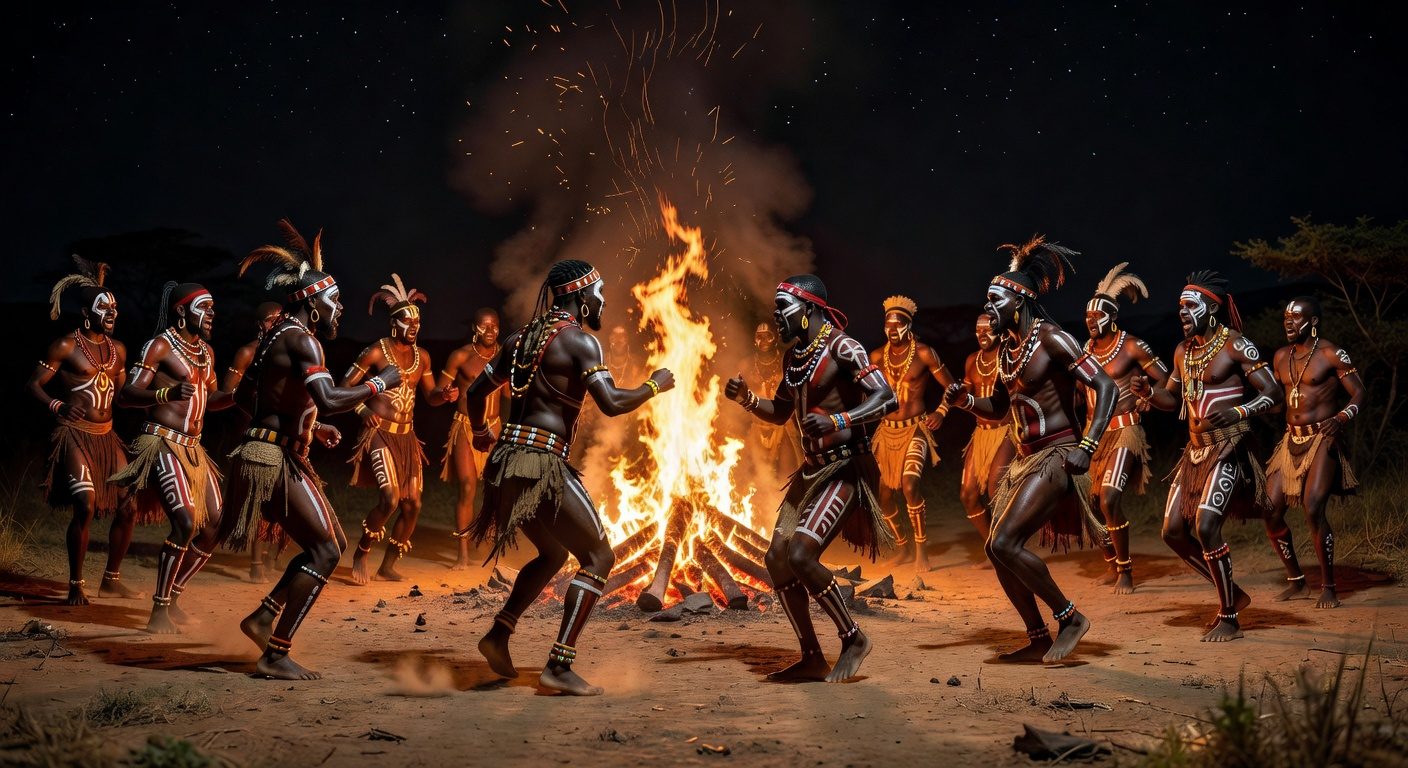
African Tribal Dance

The Ceremony of Community

In much of sub-Saharan Africa, ceremony is not performance — it is the living fabric of community life. Birth, initiation, marriage, harvest, and ancestral remembrance are marked by elaborate rituals that bind individuals to their families, clans, and the spirit world.

The Maasai of Kenya and Tanzania are perhaps the most iconic example: their singing, jumping dances, beadwork, and age-grade ceremonies remain robust and deeply meaningful despite centuries of contact with the outside world.

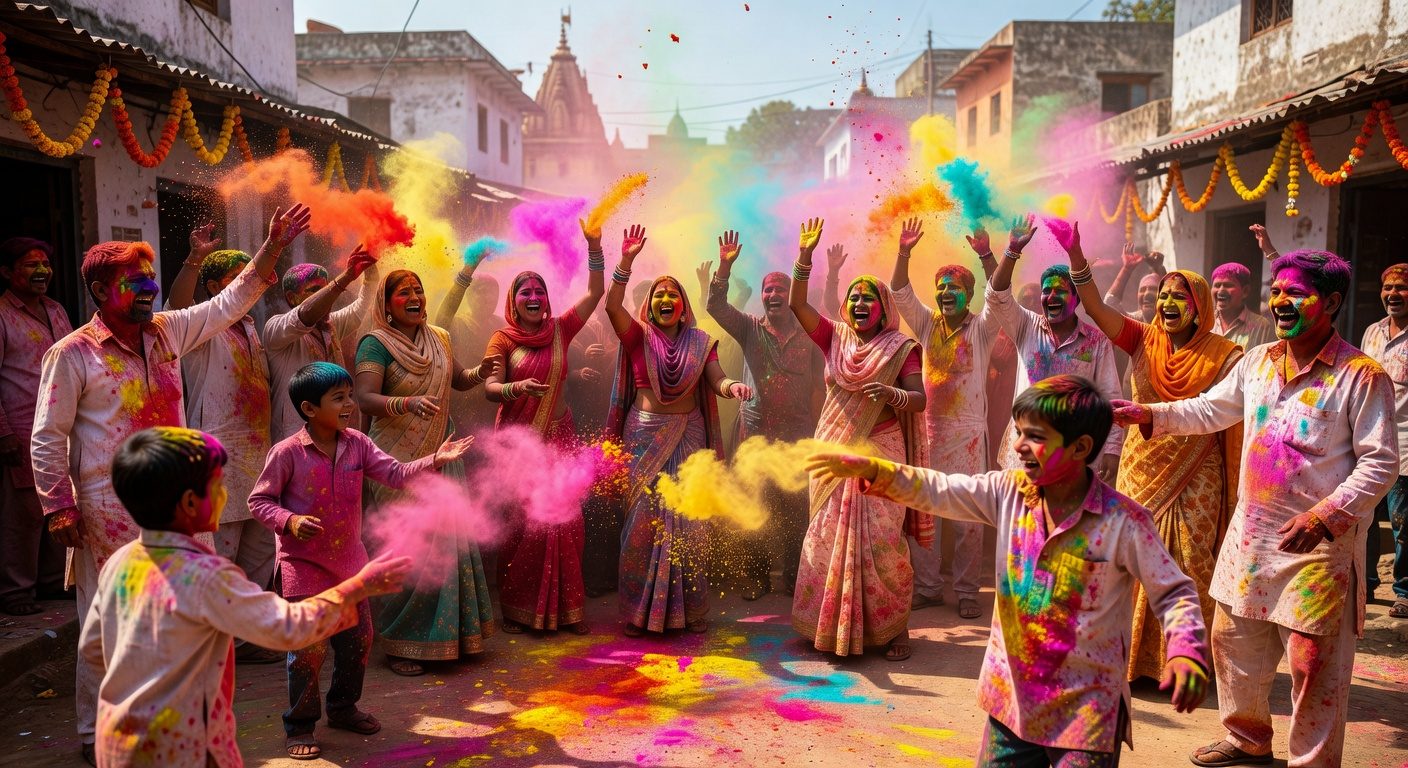
Holi Festival India

Rituals Rooted in the Sacred

India alone encompasses over 400 distinct festival traditions, each carrying specific mythological narratives, seasonal meanings, and community bonding functions. To witness even one authentic Indian village festival is to understand that joy and devotion are inseparable here.

Oral Histories & Storytelling Traditions

Before writing, there was the spoken word. Oral traditions have transmitted knowledge, law, genealogy, and cosmology across generations for thousands of years — and many remain vibrantly alive today.

West Africa

The Griot Tradition

In Mande cultures across West Africa, griots — hereditary oral historians, musicians, and praise-singers — are the living libraries of their people. Their vast repertoire of genealogies, historical narratives, and musical traditions has been passed intact for over 700 years.

New Zealand

Maori Whakapāpa

Whakapapa — the recitation of genealogy — is central to Maori identity. Expert practitioners can recite lineages stretching back to the gods, connecting living people to the spiritual origins of their people through memory alone.

Ireland

Seanchai Storytellers

Ireland's seanchai were professional storytellers who preserved the culture's mythological cycles, historical sagas, and local legends. While the profession has diminished, the tradition endures in pub culture and at dedicated storytelling festivals across the country.

Central Asia

Kyrgyz Epic Poetry

The Manas Epic of Kyrgyzstan is one of the world's longest oral poems — over 500,000 lines — recited by manaschi (epic performers) from memory across generations. UNESCO has recognized it as a Masterpiece of Oral Heritage.

Australia

Aboriginal Songlines

Aboriginal Australians encode their entire sacred geography in "songlines" — invisible pathways across the landscape that can be "sung" into existence. These living maps connect spiritual narrative, ancestral memory, and physical navigation in a wholly unique system.

Andes

Andean Quipu Records

The Inca encoded complex administrative and narrative information in knotted-string devices called quipus. Though not purely oral, living specialists — called quipucamayocs — could "read" these devices through tactile and mnemonic knowledge passed person to person.

The Art of Making: Craft Traditions

Traditional crafts are material libraries — each technique, pattern, and material choice encodes cultural knowledge that has been refined over centuries.

🏺

Japanese Ceramics

🧵

Peruvian Weaving

Andean textile traditions pre-date the Inca. In highland communities, women still weave complex symbolic patterns on backstrap looms, each design carrying clan and cosmological information.

🔨

Moroccan Zellige

The geometric tile art of Morocco, hand-cut by master maalem craftsmen, encodes Islamic mathematical thinking in spectacular decorative programs found in royal palaces and mosques.

🪡

Indian Sari Weaving

From Varanasi's Banarasi brocades to Gujarat's Patola double-ikat, India's sari traditions represent some of the most technically complex textile work in human history.

🎭

Balinese Woodcarving

Every temple and home in Bali is adorned with intricate woodcarving depicting scenes from the Ramayana and Mahabharata — a living tradition of devotional art.

🪘

West African Drumming

Djembe and talking drum traditions carry encoded language — rhythmic patterns that historically transmitted messages across distances and narrated community histories.

Sacred Spaces & Community Ritual

Every culture designates certain places as sacred — spaces where the material and spiritual worlds touch. Visiting these sites with awareness transforms the experience entirely.

⛩️

Shinto Shrines

🕌

Islamic Shrines

Sufi dargahs and Islamic shrines across South Asia, Iran, and Turkey are sites of living devotion, music, and healing — often drawing thousands of pilgrims daily.

🏔️

Andean Apus

In Andean cosmology, mountain peaks (apus) are living divinities. Offerings, dances, and ceremonies still take place at high-altitude shrines that pre-date the Inca.

🌳

Sacred Groves

From Osun-Osogbo in Nigeria to Devara Kadus in India, sacred groves are living ecosystems preserved by religious belief for millennia — some of the most biodiverse spots on earth.

"Tradition is not the worship of ashes, but the preservation of fire."
— Gustav Mahler

The Solar Flux Panel Array Heritage Letter

Monthly dispatches on living traditions, cultural ceremonies, and heritage travel.