HomeDestinations— Asia— Europe— Americas & AfricaCultural GuidesTraditionsMuseumsFestivalsArchitectureEducational TravelResourcesBlogAboutContact
Americas & Africa

The Ancient
New World

Pre-Columbian pyramids, Inca mountain cities, Maasai warrior culture, Viking seafarers — heritage that rewrites everything you think you know about history.

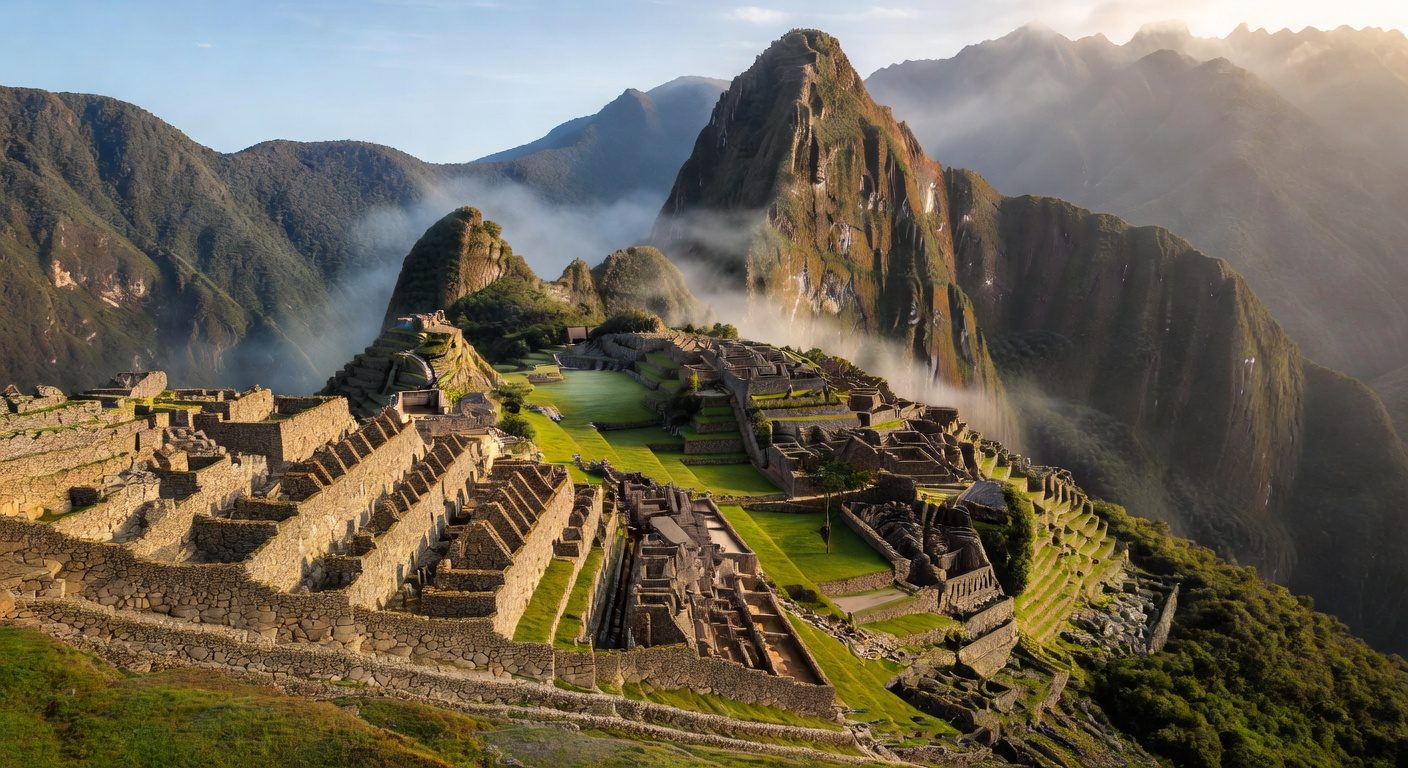
Machu Picchu

Peru: The Inca Empire's Legacy

Machu Picchu, Cusco & the Sacred Valley

The Inca Empire, at its height in the early 16th century, was the largest empire in the pre-Columbian Americas — stretching 4,300 kilometres along the Andes from modern-day Colombia to central Chile. In less than 100 years, it built a network of roads, administrative centres, temples, and cities of extraordinary sophistication.

Machu Picchu, built around 1450 CE and abandoned within a century, was unknown to the outside world until 1911 when Hiram Bingham was led to it by a local farmer. Its precise stonework — massive blocks fitted without mortar to within millimetres — stands as one of the supreme engineering achievements of the ancient world.

Plan Your Trek
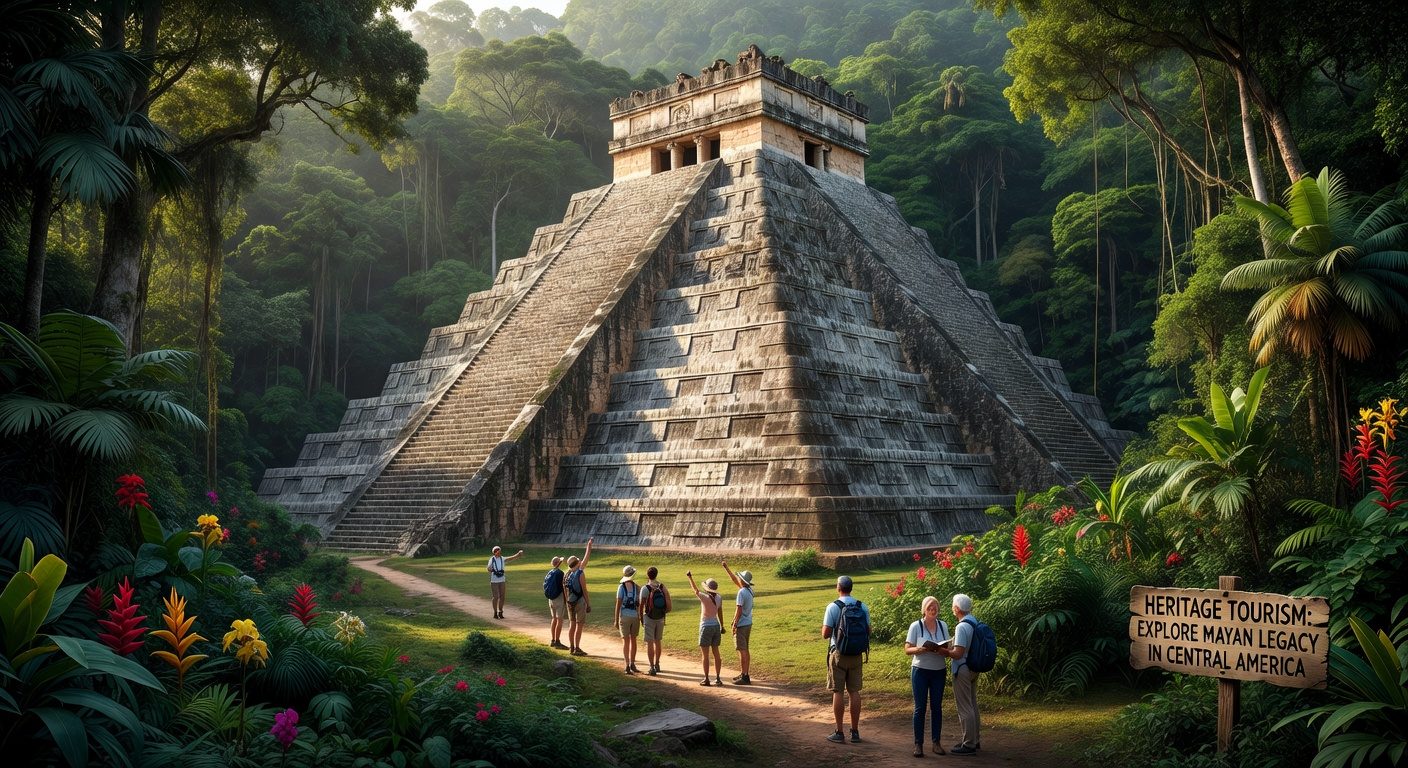
Mayan Pyramid

Mexico: Two Civilizations in Stone

Aztec, Maya & the Colonial Overlay

Mexico contains the remnants of two of the world's most sophisticated pre-Columbian civilizations: the Maya of the Yucatán and Chiapas, and the Aztec (Mexica) of central Mexico. Both developed writing systems, astronomical calendars of extraordinary accuracy, monumental architecture, and complex religious philosophies long before European contact.

The Maya city of Chichén Itzá's El Castillo pyramid — a four-sided structure with 365 steps, one for each day of the solar year — is designed so precisely that on the spring and autumn equinoxes, a shadow shaped like a serpent descends its northern staircase at sunset. This is not coincidence; it is astronomy built in stone.

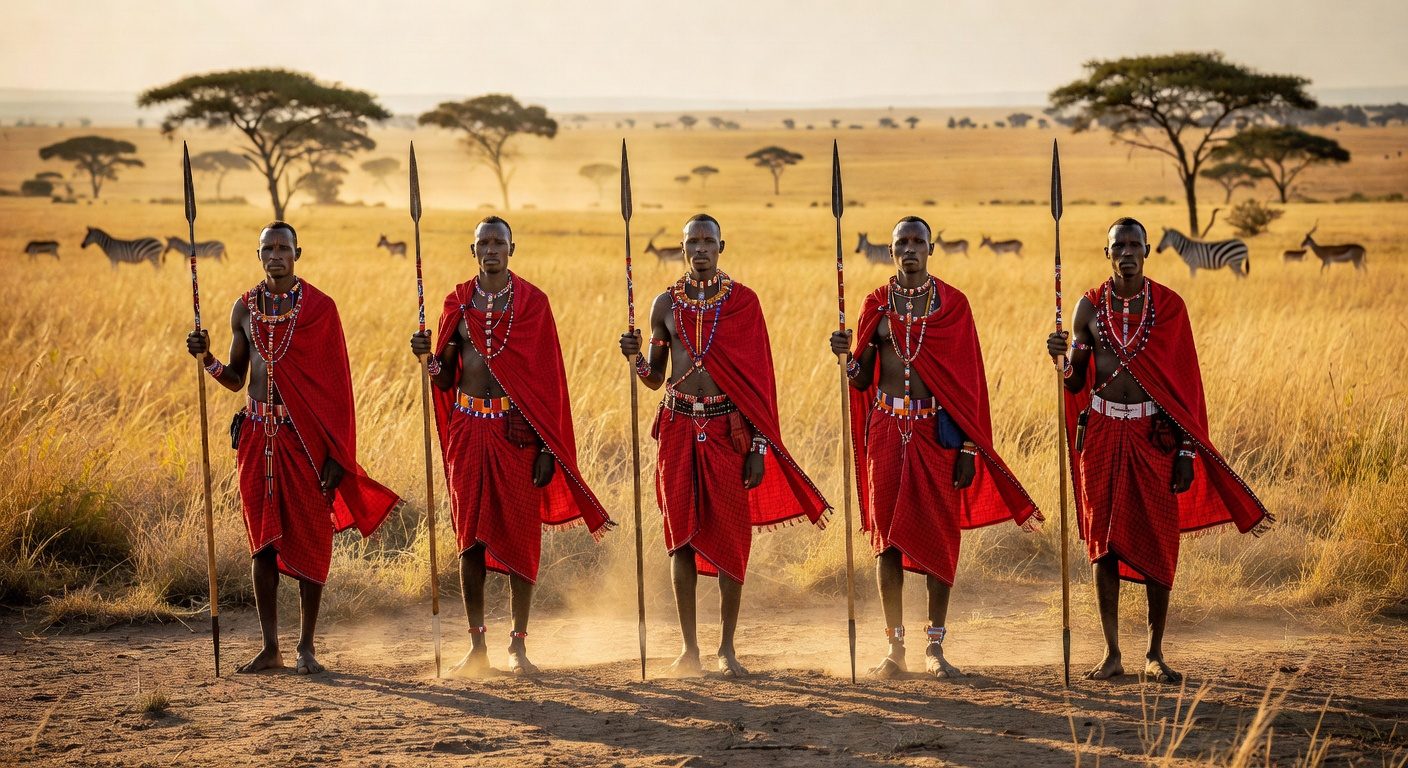
Maasai Warriors

East African Heritage: The Maasai & Beyond

Living Traditions in the Cradle of Humanity

Africa is the birthplace of humanity — and its heritage extends from the first stone tools of 3.3 million years ago to the extraordinary living cultures of today. East Africa's Rift Valley holds our oldest archaeological sites; its contemporary indigenous cultures are among the world's most vital and complex.

The Maasai of Kenya and Tanzania are perhaps the world's most recognisable indigenous people: their elaborate beadwork, distinctive red shukas, jumping Adumu dance, and pastoralist lifestyle have endured through colonialism, modernisation, and globalisation with their core values largely intact. Responsible cultural visits to Maasai communities offer some of the most meaningful heritage encounters available anywhere.

  • Maasai Mara — heritage of the pastoralist landscape
  • Great Rift Valley archaeological sites
  • Lamu Old Town — Kenya's UNESCO Swahili heritage
  • Ethiopian rock-hewn churches of Lalibela
  • Great Zimbabwe — pre-colonial stone city

Norse Heritage: Navigators of the Ancient World

From Scandinavia to Newfoundland

The Vikings were not merely raiders — they were traders, explorers, settlers, and creators of extraordinary material culture. Between the 8th and 11th centuries, Norse seafarers reached North America (Vinland) five centuries before Columbus, established trade routes stretching from Newfoundland to Baghdad, and colonized Iceland, Greenland, England, Normandy, and Sicily.

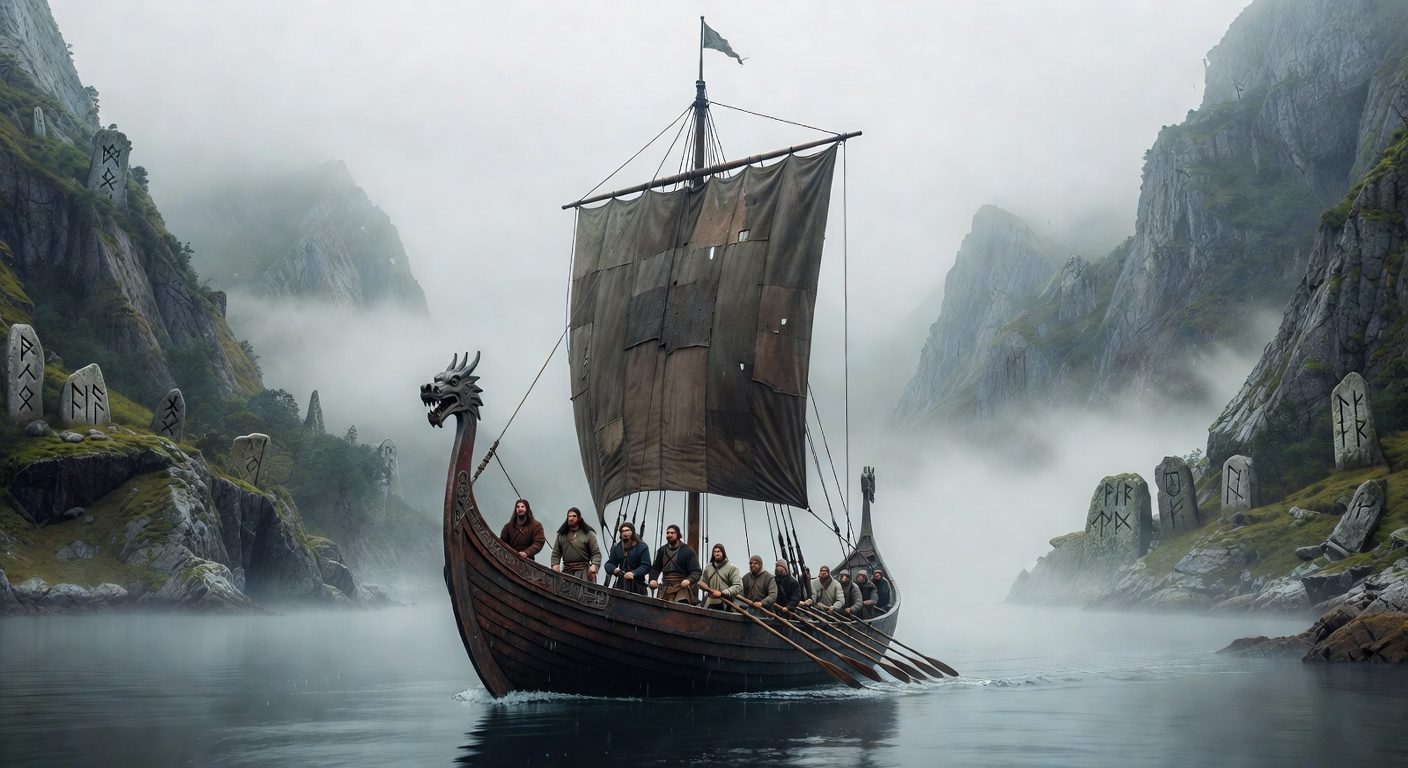
Viking longships — masterworks of naval engineering designed to beach on any shore and navigate both open ocean and shallow rivers — are among the most sophisticated vessels ever built for their era. The surviving examples at Oslo's Viking Ship Museum are extraordinary objects of beauty as well as function.

Viking heritage is preserved across Scandinavia (particularly in Norway, Denmark, and Iceland), the Scottish and Irish islands, Normandy in France, and at L'Anse aux Meadows in Newfoundland — the only confirmed Norse settlement in North America.

Cultural Heritage Guide
Viking Longship
"Africa is not a dark continent. It is the most brilliantly lit continent on earth — full of the oldest light in the universe."
— Solar Flux Panel Array Editorial

Pre-Columbian Civilizations at a Glance

The Americas hosted some of the world's most sophisticated ancient civilizations, independently developing writing, astronomy, urban planning, and monumental architecture.

1500 BCE – 900 CE

Olmec Civilization

The "mother culture" of Mesoamerica. Created the first great colossal stone heads, established the ball game ritual, and laid the foundations of Aztec and Mayan cultures.

2000 BCE – 900 CE

Maya Civilization

A sophisticated written language, astronomical precision, pyramid cities in jungle, and a complex mythological system — the Maya built one of the ancient world's most complete civilizations.

1300–1521 CE

Aztec Empire

Tenochtitlán — built on an island in Lake Texcoco — was one of the largest cities in the world in 1500. Its descendant, Mexico City, contains its buried temples beneath the colonial city.

1438–1533 CE

Inca Empire

The largest empire in pre-Columbian America — 12 million people, 40,000 km of roads, and the engineering genius of Machu Picchu all within less than a century.

100 BCE – 650 CE

Teotihuacán Culture

The City of the Gods — the largest city in the pre-Columbian Americas, with a population of up to 125,000. Its Pyramid of the Sun is the third largest pyramid on earth.

900–1200 CE

Ancestral Puebloans

Builders of extraordinary cliff dwellings at Mesa Verde and Chaco Canyon in the American Southwest — a sophisticated architectural and astronomical culture of the North American interior.

The Solar Flux Panel Array Heritage Letter

Monthly Americas and Africa guides, cultural dispatches, and heritage travel inspiration.