Festival Guides
The World's Great Festivals
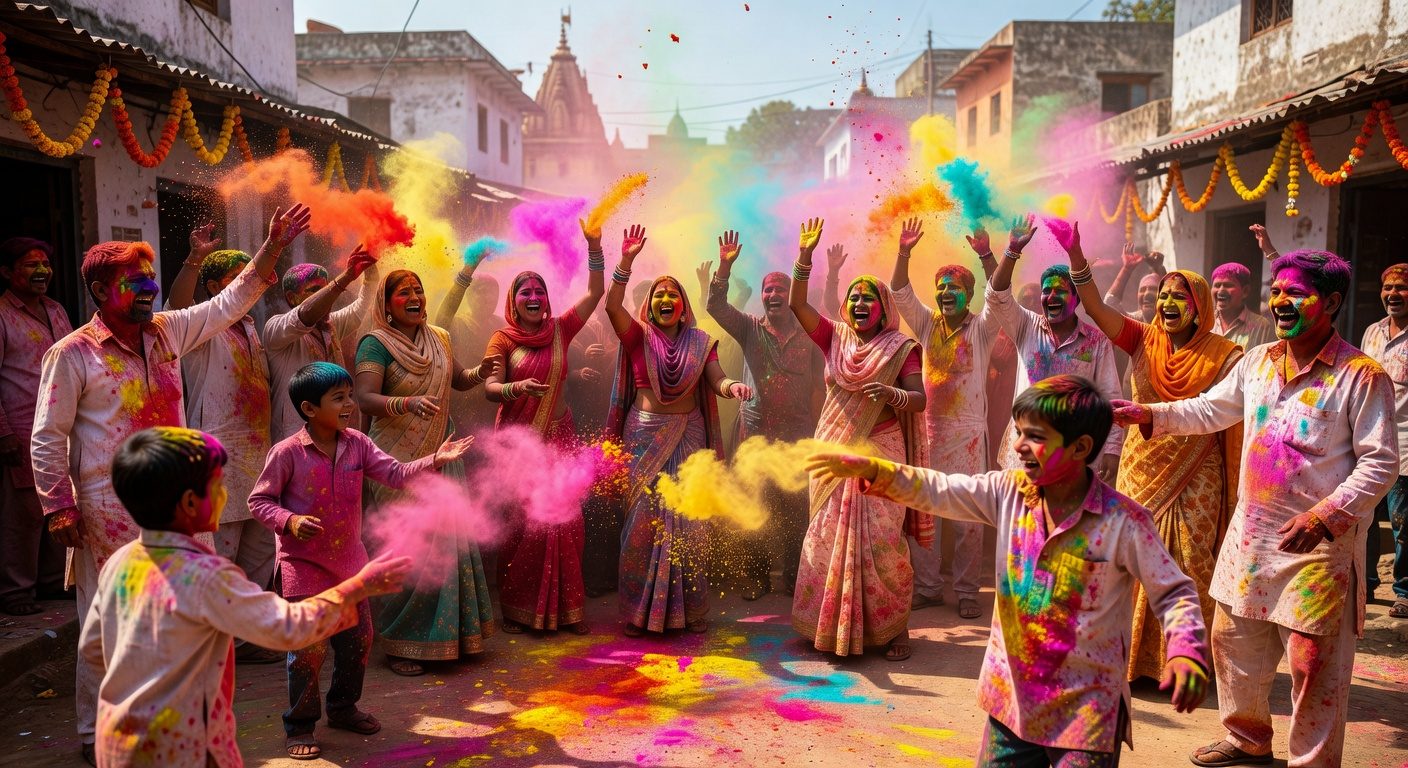 March
MarchHoli — The Festival of Colour
Perhaps the world's most joyous festival: a full-immersion explosion of coloured powder marking the end of winter and the triumph of good over evil. Mathura, Vrindavan, and Barsana host the most authentic celebrations.
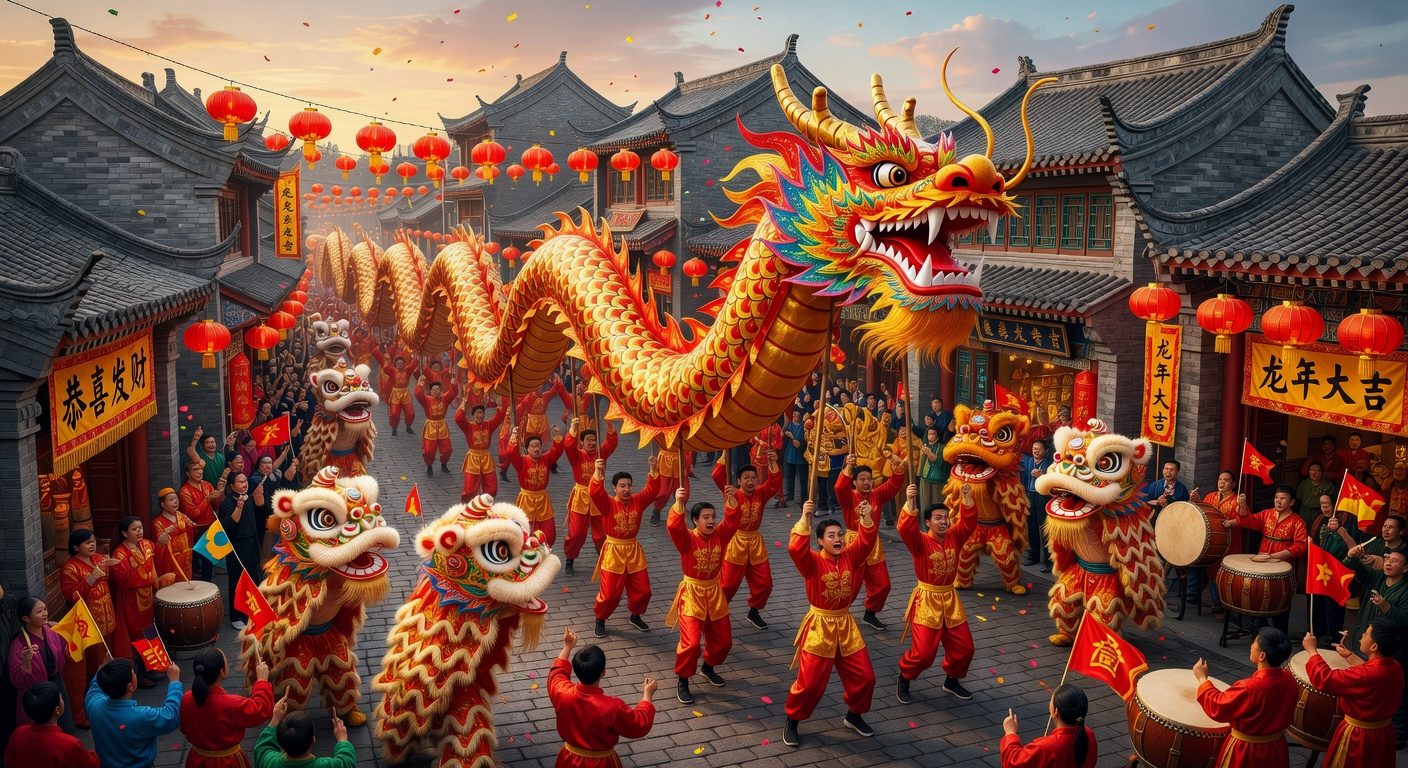 January–Feb
Chinese New Year & Dragon Parade
The world's largest annual human migration, as 1.4 billion people return home for the spring festival. Dragon and lion dances, fireworks, and elaborate feasts mark fifteen days of celebration.
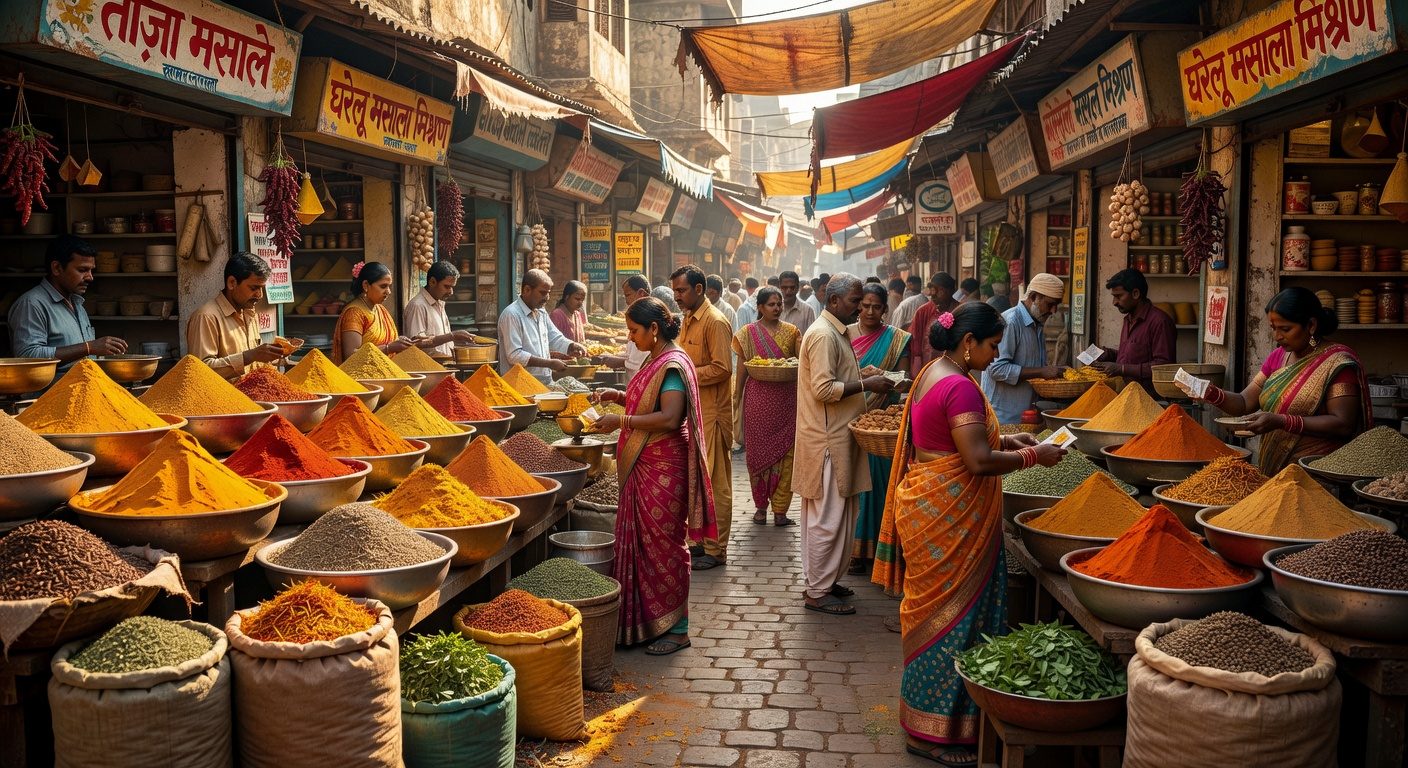 November
Diwali — Festival of Lights
The Festival of Lights transforms cities across India, Sri Lanka, Nepal, and the diaspora world with oil lamps, fireworks, sweets, and the symbolic triumph of light over darkness, knowledge over ignorance.
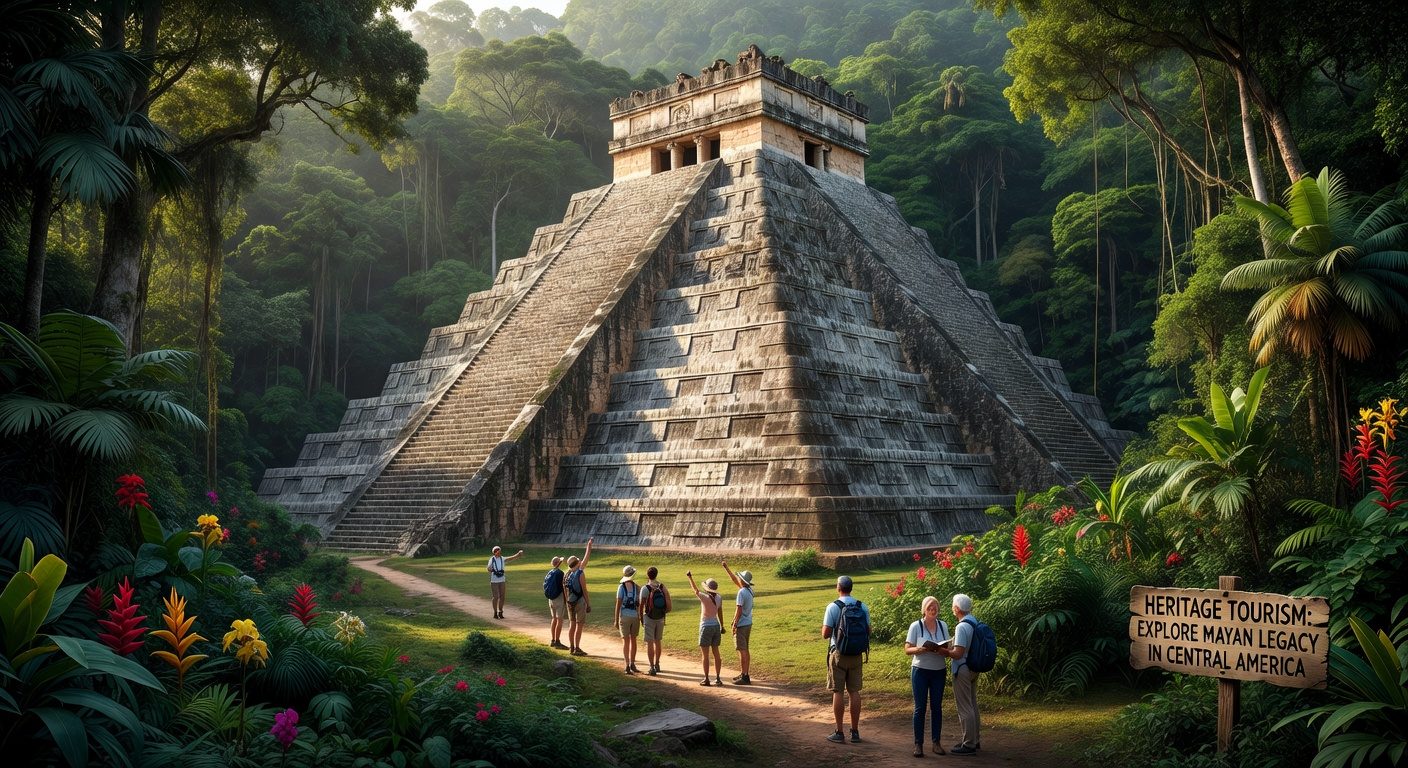 June
JuneInti Raymi — Festival of the Sun
Held at the Incan fortress of Sacsayhuamán above Cusco on the winter solstice, Inti Raymi is a spectacular reconstruction of the ancient Inca ceremony honouring Inti, the Sun God — attended by thousands.
 Nov 1–2
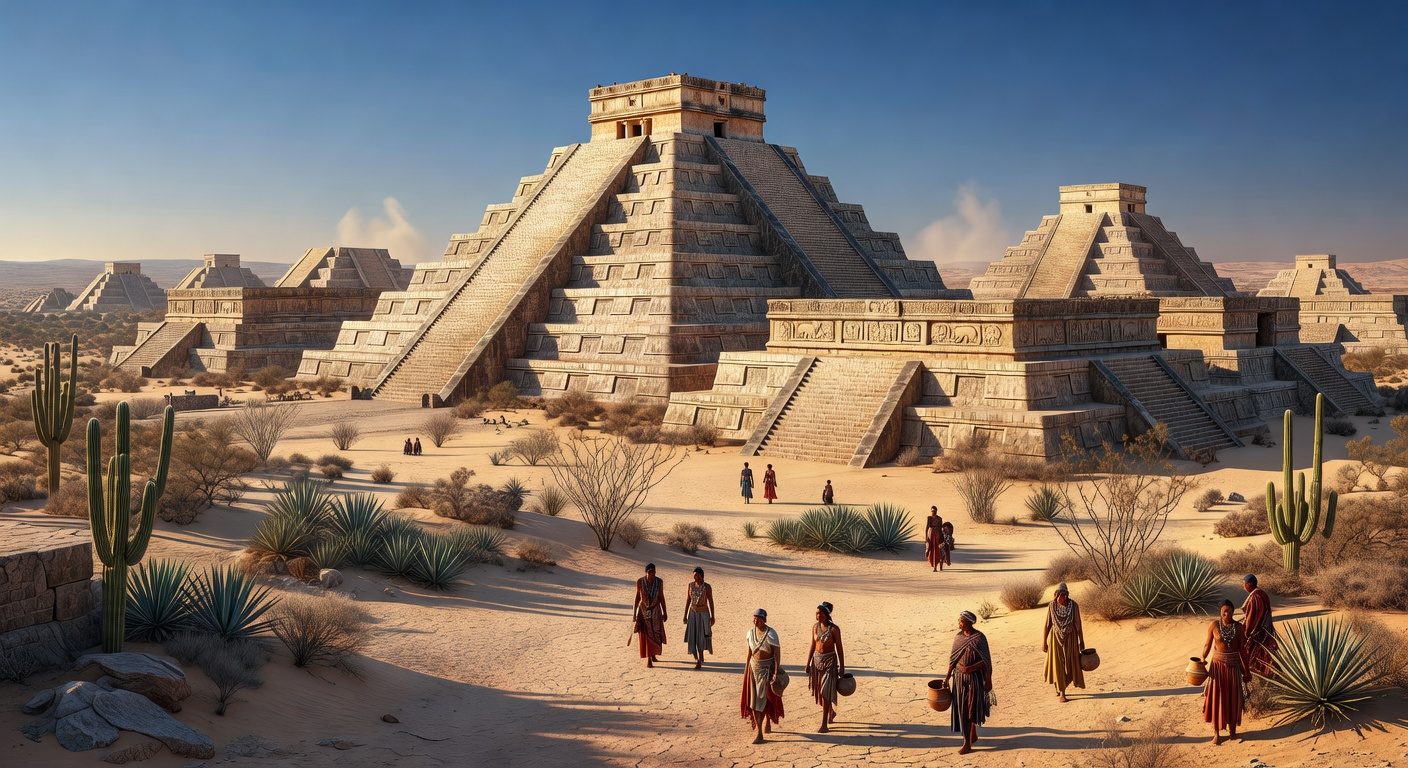
Día de los Muertos
One of the world's most visually magnificent festivals — a joyful celebration of death and memory rather than a mourning. Oaxaca, Pátzcuaro, and Mexico City's cemeteries are transformed by marigold altars and candlelit vigils.
 Multiple
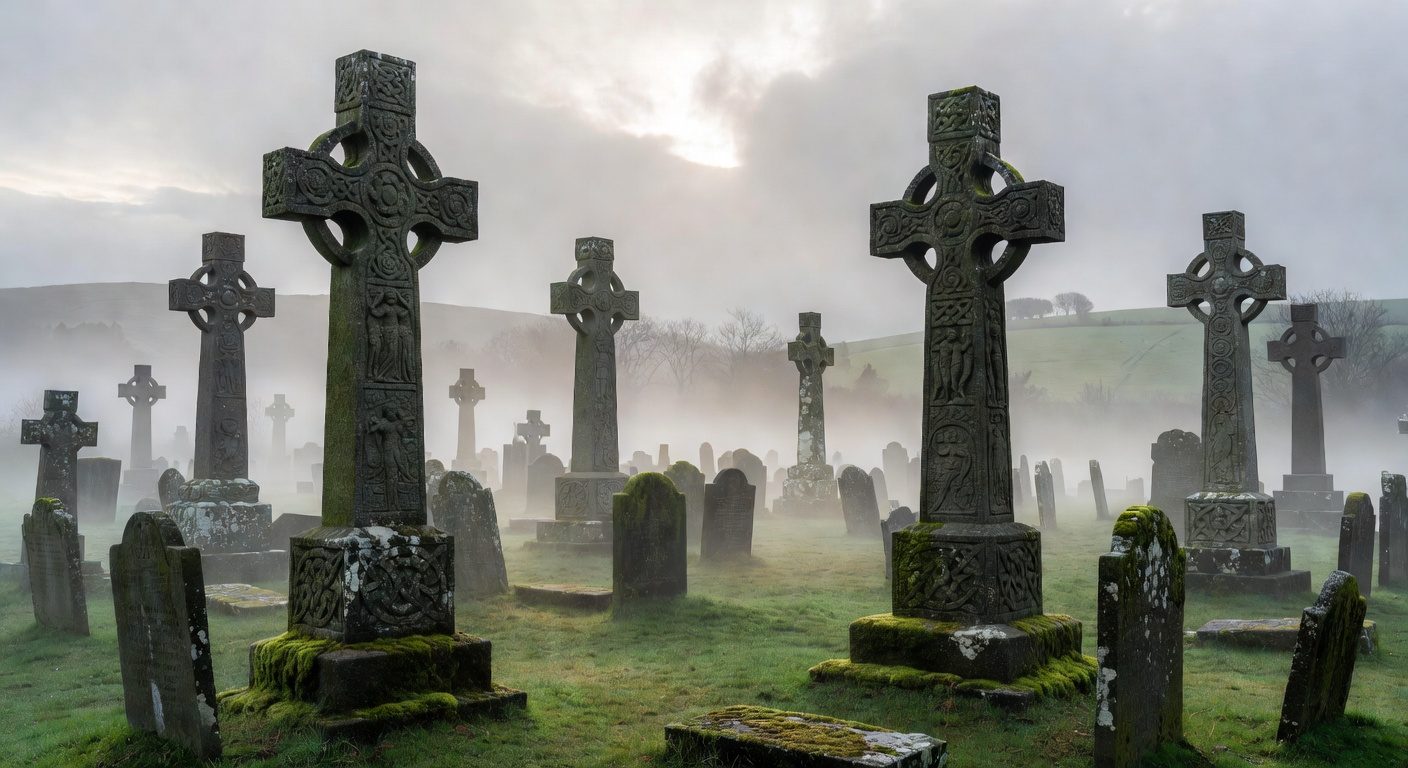
Celtic Festivals: Samhain, Beltane & Imbolc
The ancient Celtic year was structured around four fire festivals marking seasonal transitions. Samhain (Oct 31), the original Halloween, is still celebrated in Irish communities with bonfires, games, and the lifting of the veil between worlds.