Heritage travel is the world's most immersive classroom. These programmes, resources, and learning frameworks help you make the most of every journey.
Who It's For
From university study tours to self-directed adult learning, heritage travel offers meaningful educational opportunities at every stage of life.
Universities & Schools
Structured programmes combining site visits, expert-led seminars, and cultural immersion for university students and school groups. Architecture, history, archaeology, and anthropology departments worldwide run dedicated heritage study tours.
Families with Children
Heritage travel with children, done thoughtfully, produces some of the most powerful educational experiences a family can share. We provide age-appropriate frameworks and specific destination recommendations for culturally rich family adventures.
Independent Adults
Our most popular resource: carefully designed learning itineraries for independent adult travellers who want more than sightseeing. Each itinerary combines specific sites, recommended readings, local experts, and structured reflection exercises.

Family Travel
The key to successful family heritage travel is preparation, pacing, and ownership. When children help plan the itinerary, choose which museum galleries to visit, and are given age-appropriate journals to record their discoveries, engagement transforms entirely.
View Planning ResourcesIreland & Celtic Heritage
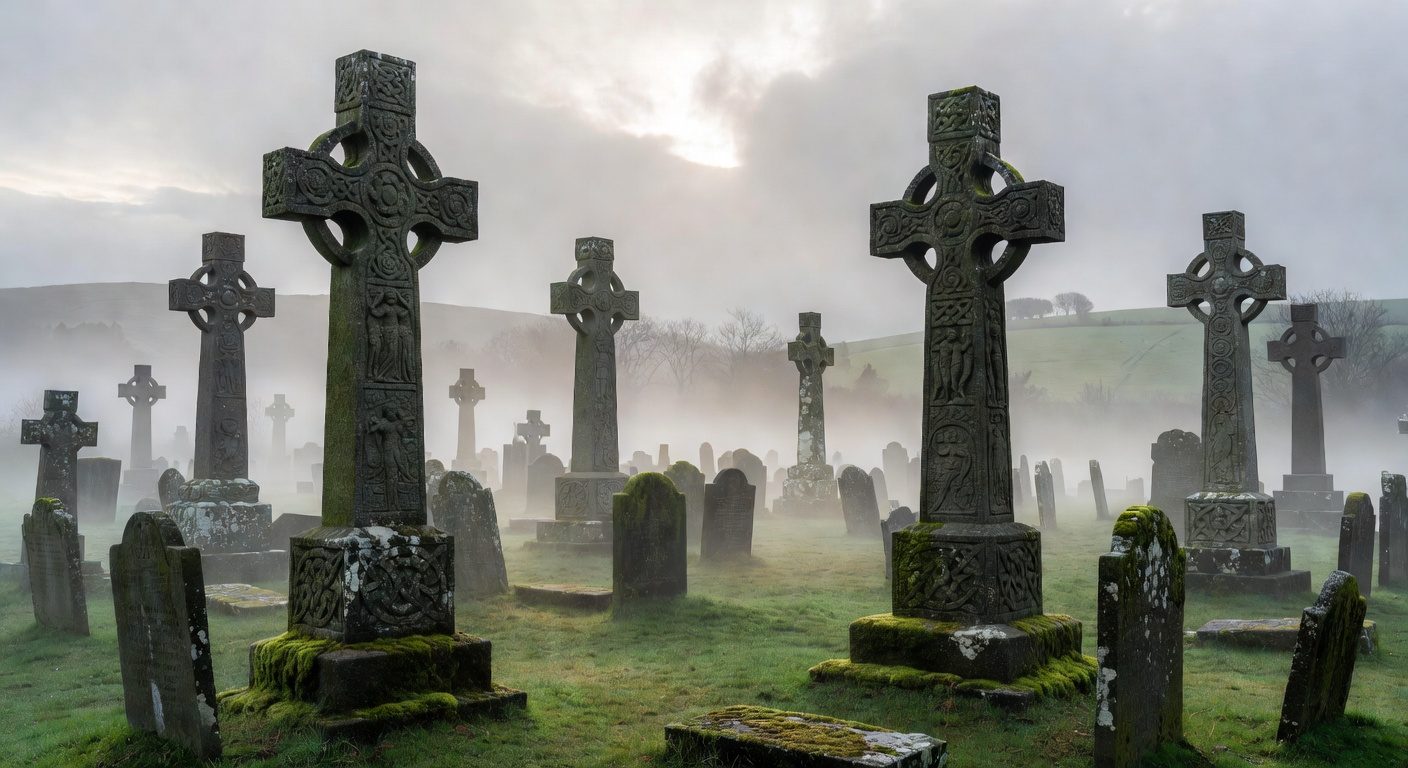
Ireland is one of the world's finest destinations for experiential learning in history, archaeology, and living culture. The island is physically small but historically enormous β its pre-Christian megalithic monuments pre-date Stonehenge; its early medieval monasteries preserved literacy through the Dark Ages.
A well-designed two-week Irish heritage itinerary can take learners from the Neolithic (Newgrange, 3,200 BCE) through the Bronze Age, Celtic Iron Age, early Christian monasticism, Norse settlements, Norman occupation, and into the extraordinary surviving tradition of Irish language, music, and storytelling β all within a compact, accessible landscape.
Self-Guided Learning
Each itinerary is designed to maximise cultural learning through structured observation, expert engagement, and reflective practice.
14 Days
10 Days
Athens (3 days) β Delphi β Meteora β Thessaloniki. Philosophy, democracy, mythology, and orthodox Christianity across the ancient Greek landscape.
Beginner12 Days
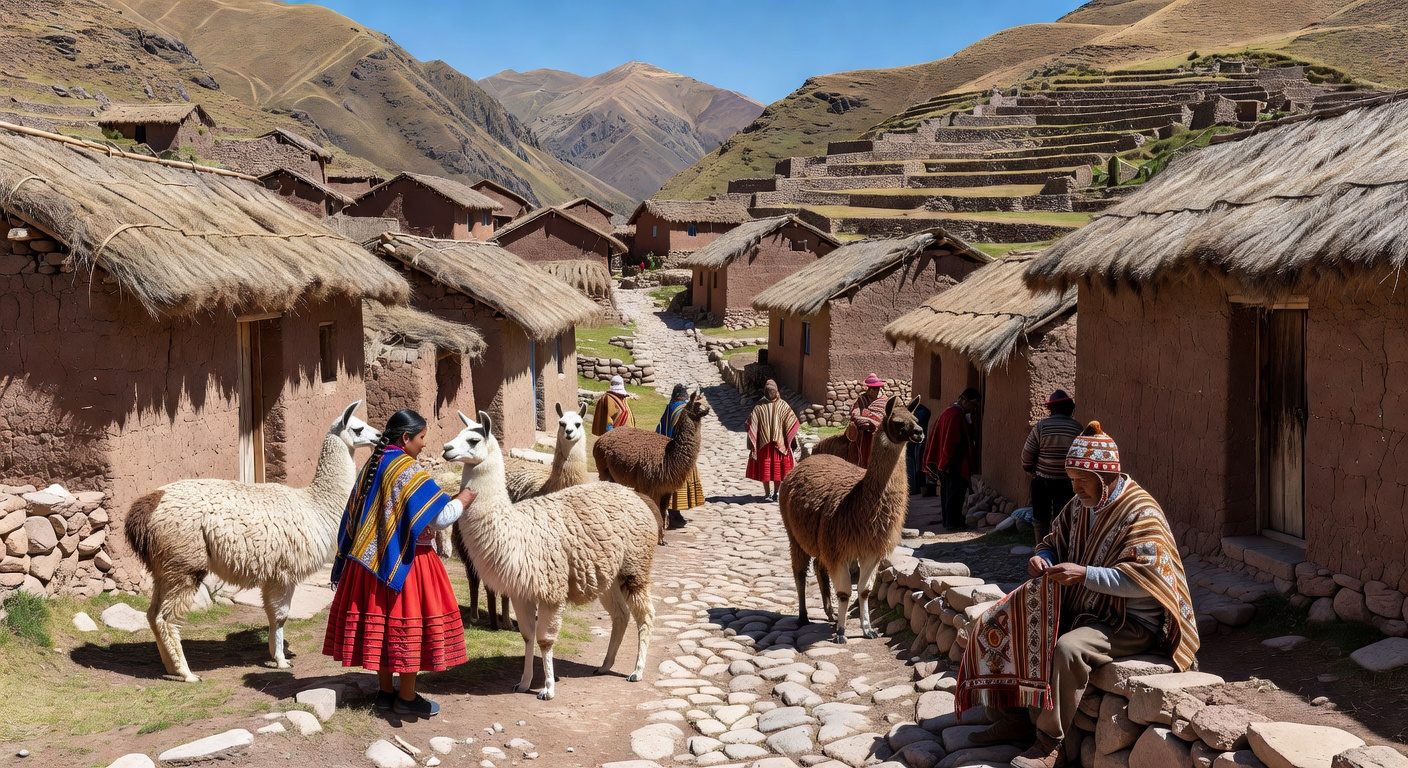
Lima β Cusco β Sacred Valley β Inca Trail β Machu Picchu β Lake Titicaca. From coastal Spanish colonial heritage to high Andean pre-Columbian civilization.
Advanced8 Days
Casablanca β FΓ¨s (3 days) β Meknes β Marrakech. Medieval Islamic architecture, Berber culture, and living craft traditions in North Africa's most complex heritage landscape.
BeginnerβIntermediate7 Days
Dublin β Boyne Valley β Clonmacnoise β Burren β Cliffs of Moher β Skellig Michael (weather permitting). 5,000 years of Irish heritage in one week.
All Levels10 Days
Cairo (Grand Egyptian Museum, Pyramids) β Alexandria β Luxor β Valley of the Kings β Aswan β Abu Simbel. The complete arc of Pharaonic civilization.
All LevelsBefore You Go
Curated reading lists organised by educational theme β prepare your mind before your feet arrive.
Visual Learning
Thoughtful photography transforms travel into a rigorous practice of observation and documentation. Here's how to make your camera a learning tool rather than a trophy-collection device.
Before photographing a site for aesthetic effect, take a series of documentation shots: context (the whole site from a distance), detail (carved inscriptions, architectural elements), and context again. This trains close looking.
Always ask before photographing individuals, especially during ceremonies or in communities where cameras may be unwelcome. Learning the phrase "May I photograph you?" in the local language opens more doors than pointing a lens.
After every photography session at a heritage site, spend ten minutes writing captions for your ten best images. Identifying what you photographed and why you found it significant deepens learning dramatically.
For at least part of every heritage site visit, leave the camera in your bag and simply look. Photography can become a barrier to genuine presence. The images you hold in memory are often more lasting than those on a memory card.
"Education is not the filling of a pail, but the lighting of a fire."β W.B. Yeats