HomeDestinations— Asia— Europe— Americas & AfricaCultural GuidesTraditionsMuseumsFestivalsArchitectureEducational TravelResourcesBlogAboutContact
Cultural Intelligence

Unlock the Depth
of Every Culture

Our cultural guides help you travel with awareness, empathy, and genuine curiosity — so every encounter becomes a meaningful exchange.

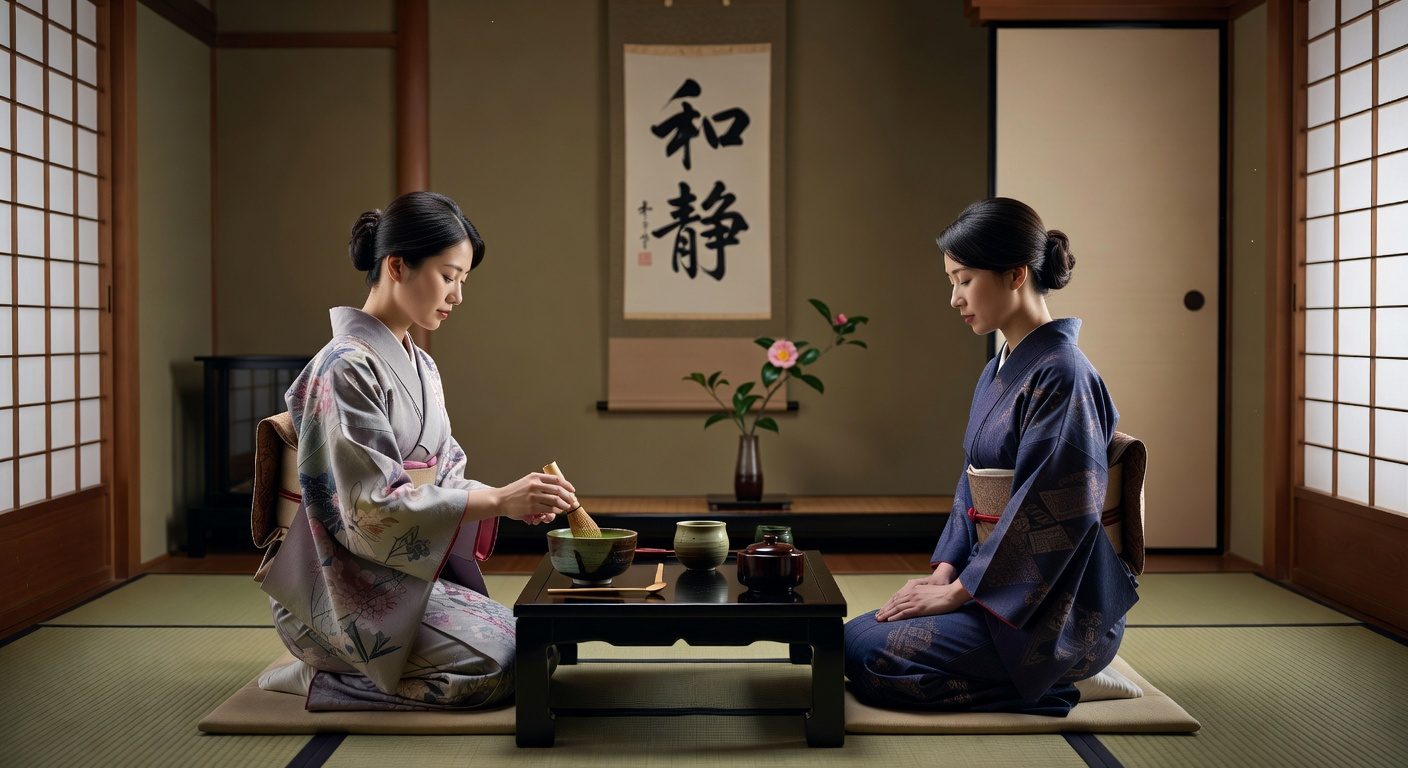
Japanese Tea Ceremony

What Is Cultural Travel?

Cultural travel moves beyond sightseeing. It is the practice of engaging authentically with the living heritage of a place — its people, rituals, foods, arts, and belief systems — rather than merely photographing its monuments.

At Solar Flux Panel Array, we believe the most transformative journeys happen when travellers approach destinations with preparation, humility, and a willingness to be changed by what they encounter.

Find Your Destination
How to Prepare for Cultural Travel

Thoughtful preparation transforms a good trip into an extraordinary one. These steps will ensure you arrive informed, respectful, and ready to connect.

1

Research the Historical Context

Before visiting any heritage site, read about its history, significance, and the civilization that created it. Understanding why something exists deepens your appreciation enormously. We recommend at least one book and one documentary per major destination.

2

Learn Basic Language Phrases

Even a handful of local phrases — greetings, thank-you, please, excuse me — signal respect and open doors. Locals everywhere respond warmly to the effort, even if your pronunciation is imperfect. Download an offline language app before departure.

3

Understand Dress Codes & Sacred Site Rules

Many temples, mosques, churches, and shrines have specific dress requirements. Research these in advance and carry appropriate cover-ups. Arriving improperly dressed can prevent entry and signals a lack of respect for local beliefs.

4

Plan for Slow, Deep Travel

Cultural travel rewards patience. Rather than rushing through twelve countries in fourteen days, consider spending a full week in one region. Attend a local market, join a cooking class, or hire a local guide who can offer perspectives no guidebook provides.

5

Engage with Local Communities Responsibly

Support local businesses, artisans, and guides over international chains. Ask permission before photographing people. Consider the environmental and social impact of your presence on fragile heritage sites. Leave places better than you found them.

Cultural Etiquette by Region

Every region has its own social codes. Understanding them prevents misunderstandings and allows for genuine connection.

🗾

East Asia

  • Remove shoes when entering homes and temples
  • Bow as greeting; depth signals respect level
  • Never stick chopsticks upright in rice
  • Present and receive business cards with both hands
  • Avoid loud conversation in public spaces
🕌

Islamic World

Hospitality is sacred across the Muslim world, from Morocco to Turkey, Egypt to Indonesia. Reciprocate warmth graciously.

  • Dress modestly; cover shoulders, arms, and legs
  • Remove shoes before entering mosques
  • Greet with "As-salamu alaykum"
  • Avoid eating or drinking in public during Ramadan
  • Right hand for eating, giving, and receiving
🙏

South & Southeast Asia

Spiritual life is woven into everyday existence across India, Cambodia, Thailand, and Sri Lanka.

  • The head is sacred; never touch someone's head
  • Point feet away from people and religious objects
  • Dress conservatively at all temples
  • Ask before photographing ceremonies or monks
  • Accept offered food and tea graciously

Europe

Europe's cultural codes vary enormously by country, but a few universals apply across most of the continent.

  • Greet shopkeepers and restaurant staff upon entering
  • Speak quietly inside churches and cathedrals
  • Dress smartly for dinner in France, Italy, Spain
  • Tipping customs differ significantly by country
  • Punctuality matters in Northern Europe; less so in South
🌍

Sub-Saharan Africa

African hospitality is legendary. Relationships, greetings, and community are the foundations of most African cultures.

  • Extended greetings are standard — never rush them
  • Ask permission before photographing individuals
  • Accept food and drink when offered; refusal can offend
  • Dress modestly in rural and traditional communities
  • Bargaining is expected in markets — engage respectfully
🌎

Latin America

Warmth, family, and a rich fusion of indigenous and colonial heritage define Latin American cultures.

  • Greet with a cheek kiss in most countries
  • Time is flexible — don't take lateness as disrespect
  • Dress respectfully at all religious sites
  • Indigenous sacred sites require silence and reverence
  • Photography rules vary at archaeological sites — check first

Food as Cultural Gateway

Cuisine is one of the most direct ways to experience a culture's history, geography, and values. These culinary traditions are worth seeking out.

🍣

Japanese Washoku

🫕

Moroccan Tagine

Slow-cooked in ancient clay pots, Moroccan cuisine blends Berber, Arab, and Andalusian influences into extraordinarily complex flavours.

🍛

Indian Thali

India's regional cuisines span thousands of distinct traditions, each reflecting local history, religion, and the subcontinent's extraordinary spice diversity.

🥘

Italian Cucina

Deeply regional and fiercely traditional, Italian cuisine is a living archive of agricultural history, seasonal rhythms, and family memory.

🫙

Peruvian Gastronomy

🥙

Turkish Mezze

Where the Ottoman Empire stretched, so did Turkish culinary influence. Mezze culture — sharing many small dishes — is a ritual of hospitality.

🍲

Cambodian Khmer

Reflecting the grandeur of Angkor-era civilization, Cambodian cuisine uses fresh herbs, fish paste, and coconut in subtle, harmonious combinations.

🫔

Mexican Pre-Columbian

Corn, chocolate, chili, and vanilla — the Aztec and Mayan culinary legacy has transformed global food culture, yet remains deepest in its homeland.

Speaking the Language of Respect

You don't need to be fluent in every language to travel culturally. What matters is the effort — the willingness to try a few words in someone's mother tongue is universally understood as a gesture of respect.

We recommend focusing on: greetings, please and thank you, numbers 1–10, asking for directions, and food vocabulary. This basic toolkit will carry you further than you imagine in any language.

For deeper engagement, consider a language learning app in the months before your trip, or hire a local language tutor for a few sessions focused on cultural context, not just vocabulary.

View Resources
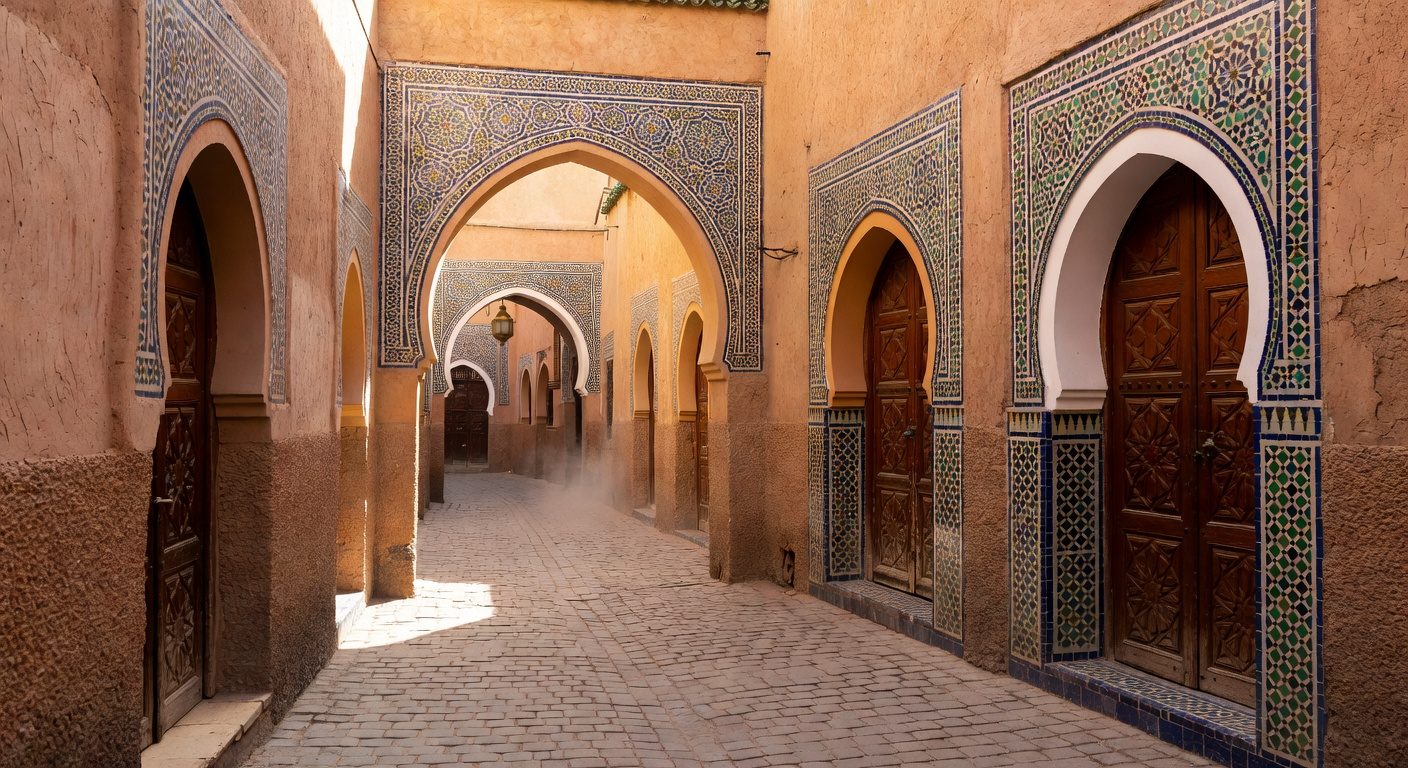
Morocco Medina
"A different language is a different vision of life."
— Federico Fellini

The Solar Flux Panel Array Heritage Letter

Monthly cultural guides, etiquette tips, and destination deep-dives delivered to your inbox.