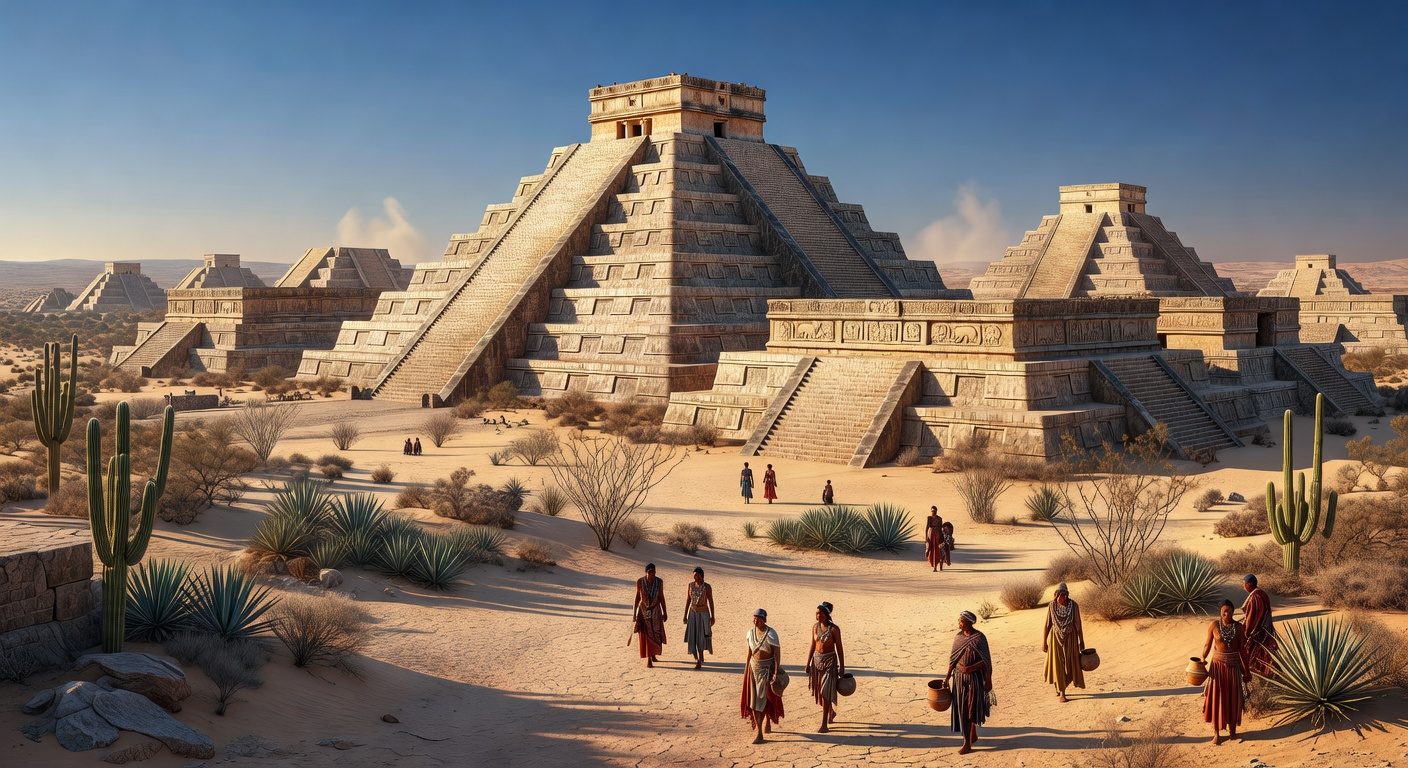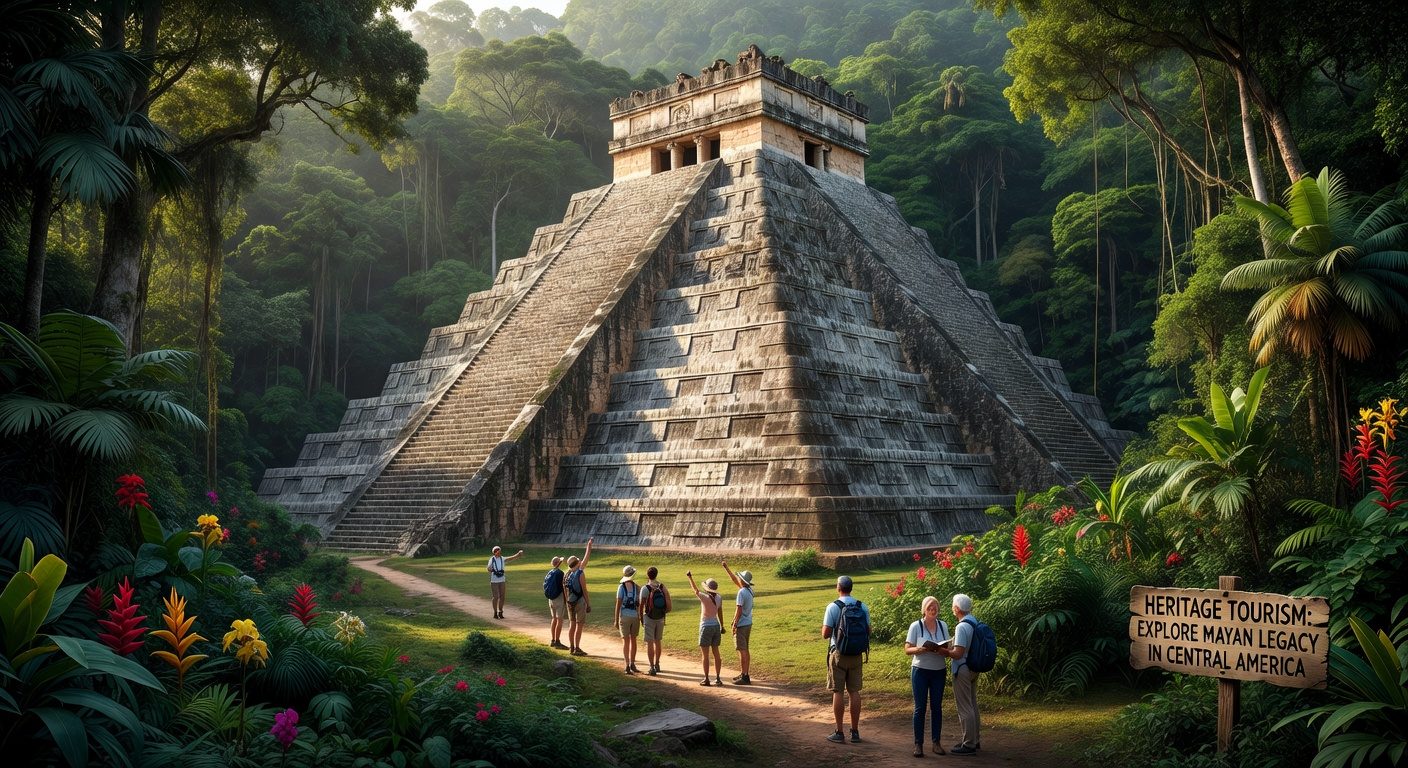
From the precision of Egyptian pyramids to the geometry of Islamic mosques — the world's great buildings are humanity's most enduring conversation with eternity.
Through the Ages
Eight thousand years of architectural achievement — each era representing a distinct set of values, technologies, cosmologies, and ambitions.
3100–1100 BCE
The pyramids of Giza, Stonehenge, the palace of Knossos. The ancients built without modern engineering and yet produced structures that have survived four millennia. Massive stones, precise astronomical alignments, and an understanding of permanence that modern builders can barely comprehend.
700 BCE–400 CE
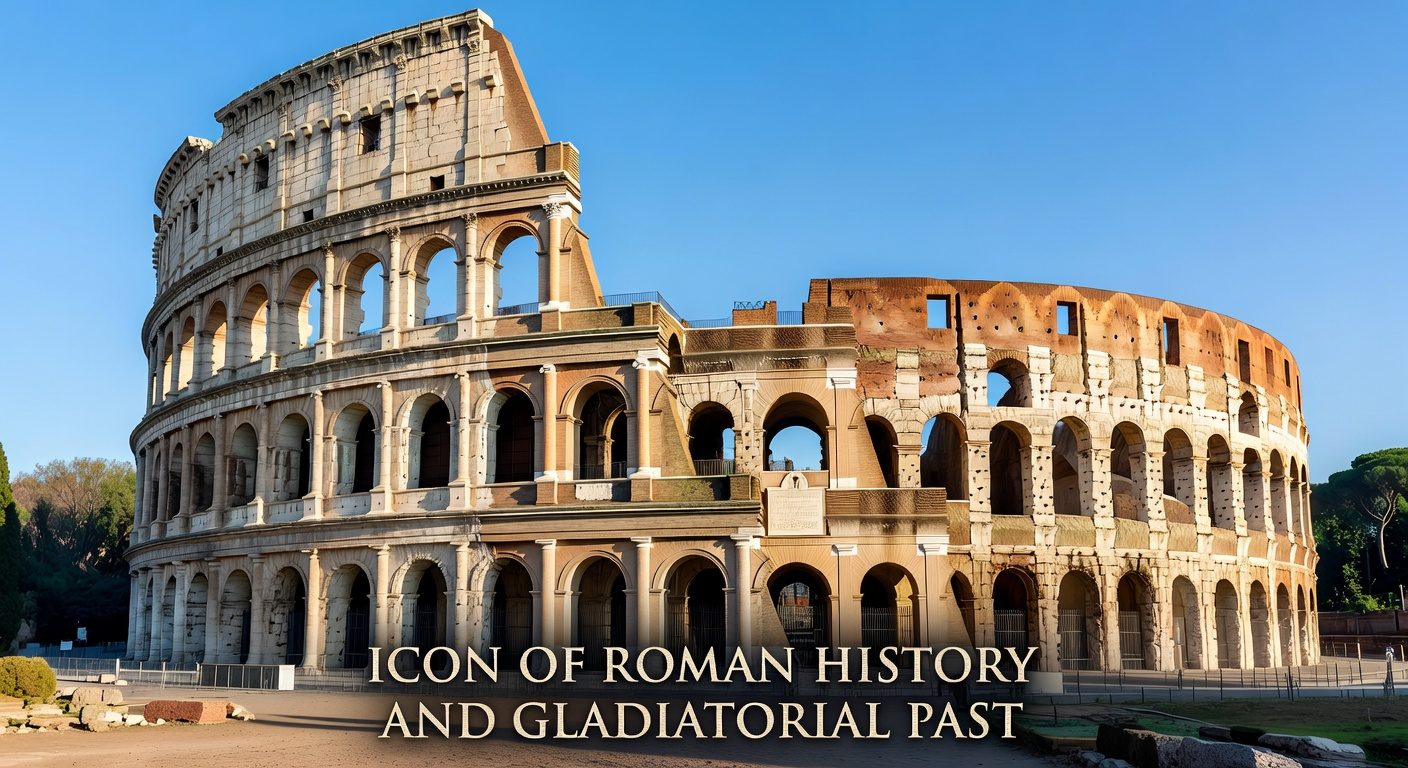
The orders of Greek architecture — Doric, Ionic, Corinthian — established proportional systems still influential today. Rome's engineering genius produced the arch, the vault, the dome, and concrete — technologies that enabled the Pantheon, the Colosseum, and the aqueducts to last two millennia.
330–1453 CE
Byzantine architecture achieved something unprecedented: the illusion of weightlessness in stone. Hagia Sophia's dome, floating on a ring of windows, appeared to contemporaries as though suspended from heaven by a golden chain. It remains one of the supreme architectural achievements of any civilization.
700–1500 CE
Islamic architecture elevated geometry into theology. The perfect symmetry of muqarnas ceilings, the intricate arabesques of tilework, and the mathematical precision of mosque plans reflect a worldview in which beauty, mathematics, and divinity are inseparable. The Alhambra and the Süleymaniye Mosque are its highest expressions.
1000–1500 CE
Gothic architecture's pointed arches, flying buttresses, and ribbed vaults solved a structural problem that had defeated Romanesque builders: how to build higher walls with larger windows. The result was Chartres, Notre-Dame, and Cologne Cathedral — vertical gestures of extraordinary spiritual ambition.
1400–1700 CE
The Renaissance rediscovered classical antiquity and built a new humanism. Brunelleschi's dome in Florence, Palladio's villas in the Veneto, and Michelangelo's St. Peter's. The Baroque that followed used architecture as theatre — emotional, dynamic, overwhelming in its grandeur.
200 BCE–1900 CE
Style Reference
3100–1100 BCE
Massive scale, post-and-lintel construction, axiality, permanence as divine aspiration. Pyramid, obelisk, pylon gateway.
700 BCE–400 CE
Proportion, the column orders, the frieze and pediment. Harmony between nature and built form. The agora and the acropolis.
100 BCE–400 CE
The arch, vault, dome, and concrete. Engineering as spectacle. The forum, the basilica, the bath complex, the amphitheatre.
500–1500 CE
Centralized plan, the pendentive dome, gold mosaic, light as theology. Hagia Sophia remains the defining masterpiece.
700–1800 CE
Geometric ornament, the muqarnas, the iwan, the courtyard mosque. Mathematics as devotion; beauty as worship.
1000–1400 CE
Thick walls, round arches, solid masses. The pilgrimage church with its radiating chapels. Austere and powerful.
1140–1500 CE
Pointed arch, flying buttress, ribbed vault, stained glass. The cathedral as encyclopaedia of Christian knowledge in stone and light.
1400–1600 CE
Rediscovery of classical orders, perspective, the ideal plan. Humanism built in stone. Alberti, Brunelleschi, Palladio.
"Architecture is frozen music."— Arthur Schopenhauer

Case Study
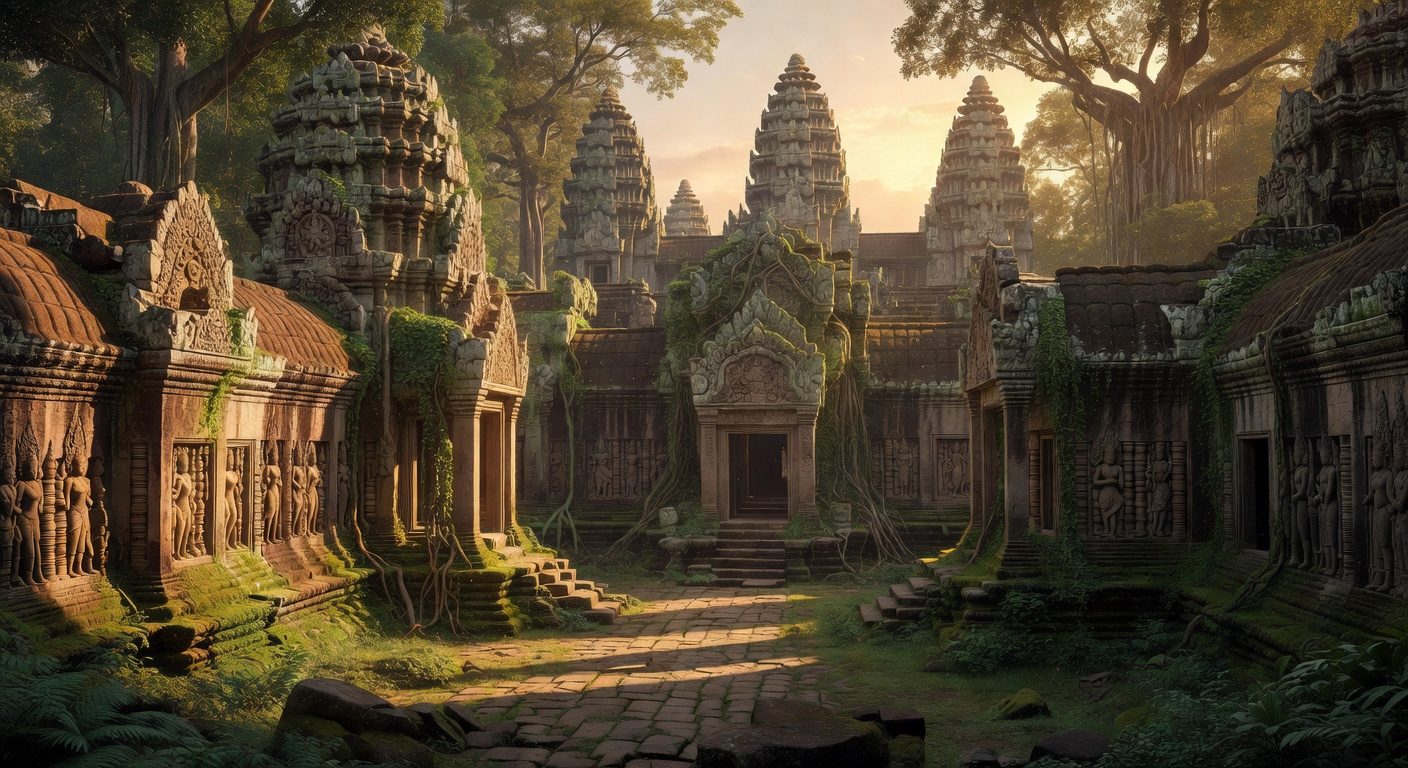
Angkor Wat is not merely the world's largest religious monument — it is the world's most complete architectural representation of a cosmological system. Built by the Khmer Empire in the 12th century, its five central towers represent Mount Meru (the axis of the Hindu universe); its concentric galleries represent the mountain ranges and oceans of Hindu cosmology.
The entire complex is oriented to the west — unusual for a Hindu temple — suggesting it was conceived from the beginning as a mortuary temple for King Suryavarman II. Its extraordinary bas-relief galleries, stretching over 800 metres, depict the churning of the cosmic ocean and scenes from the Mahabharata and Ramayana in extraordinary detail.
Explore Cambodia