From the temples of Kyoto to the bazaars of Istanbul, from the Taj Mahal to the ruins of Angkor — Asia is the world's richest heritage continent.

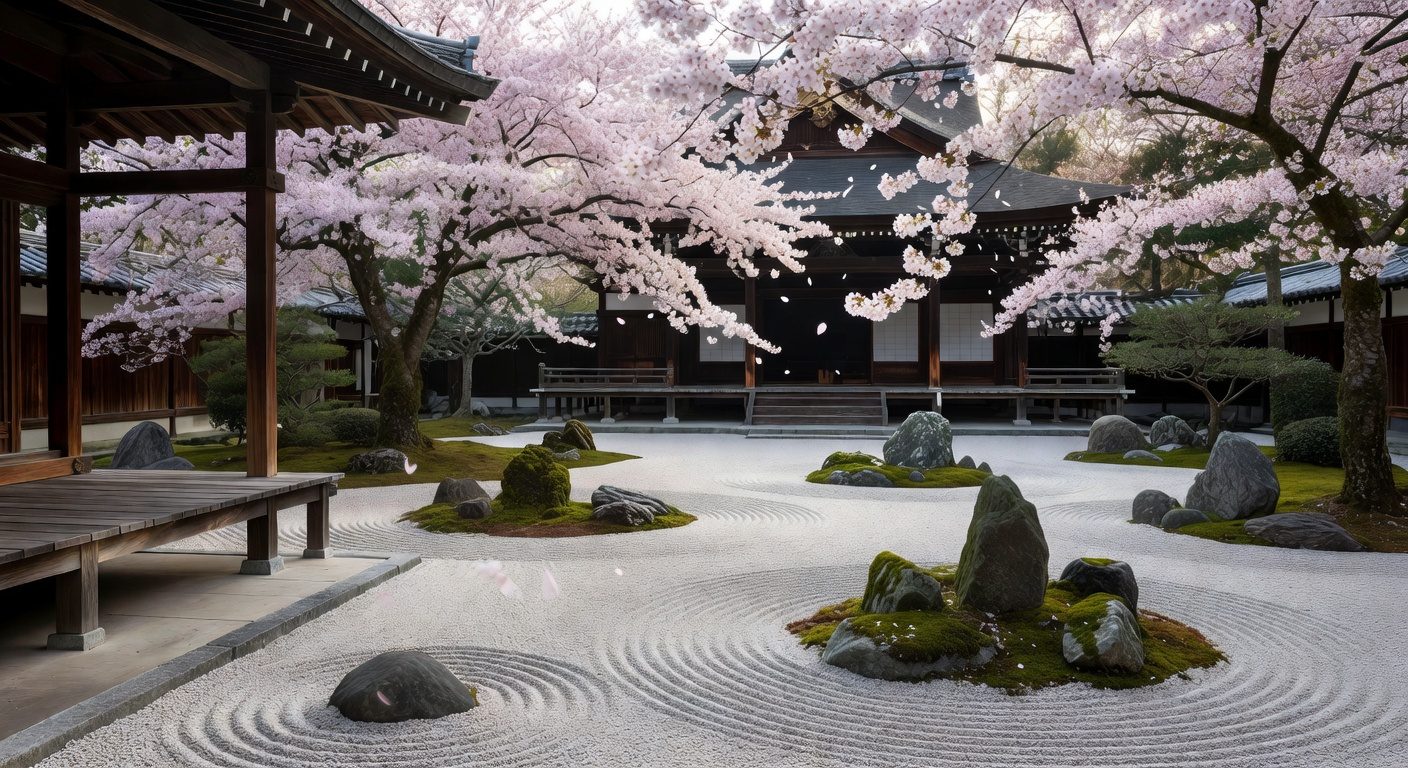
Over 1,600 Buddhist temples, 400 Shinto shrines, seventeen UNESCO World Heritage Sites, and an unbroken tradition of tea ceremony, Noh theatre, ikebana (flower arranging), and traditional crafts make Kyoto the single greatest destination for cultural travel in Asia.

China
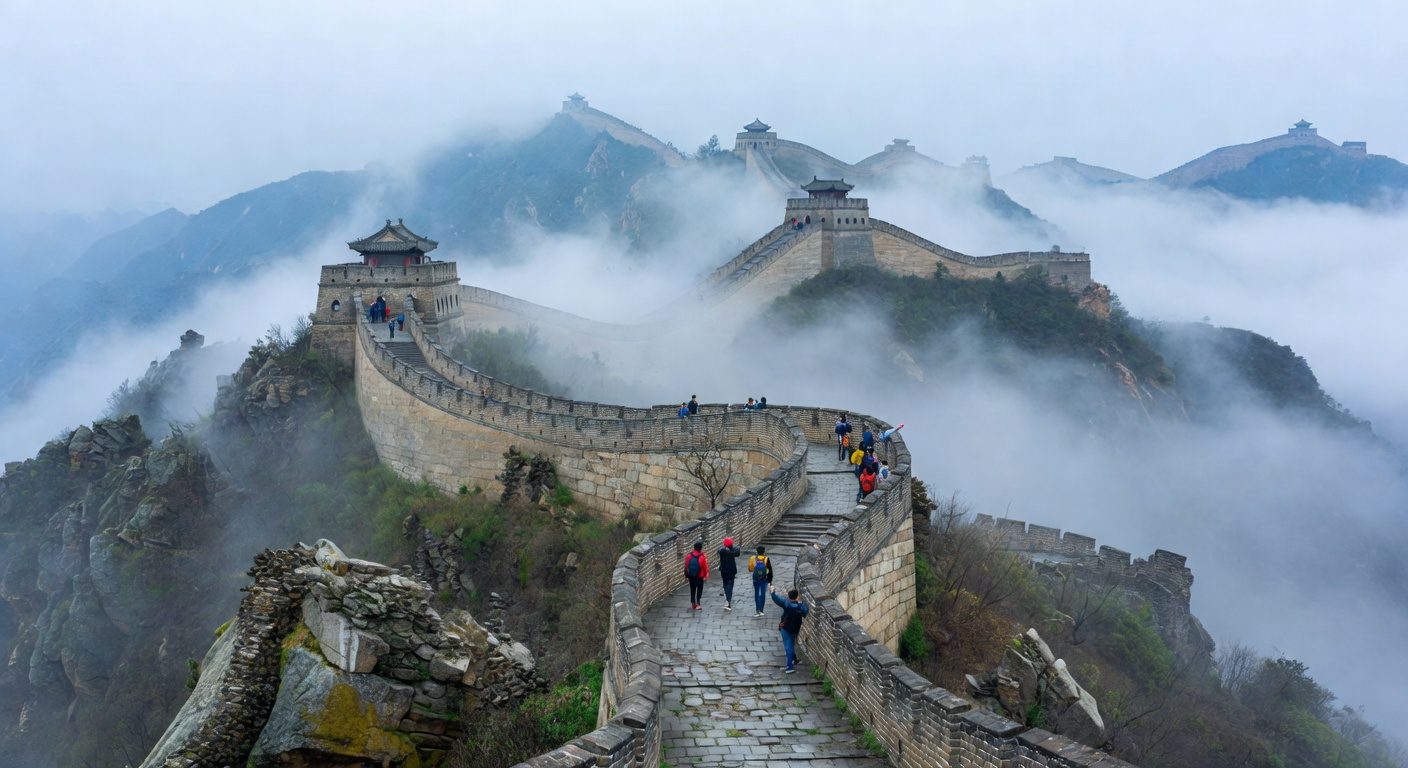
China's heritage is staggering in its scale and antiquity. The Great Wall stretches over 21,000 kilometres across northern China — not a single wall but a millennia-long defensive system built and rebuilt by successive dynasties. The Forbidden City in Beijing, home to 24 emperors over 500 years, is the world's largest palace complex.
Beyond these monuments lies a civilization of extraordinary depth: Taoist mountain temples, Buddhist cave complexes at Dunhuang, Han dynasty tombs, Song dynasty porcelain traditions, Ming garden design at Suzhou, and the living traditions of Peking Opera, shadow puppetry, and calligraphy.

India
India is not a single heritage destination — it is thirty distinct heritage regions within a single nation. From the Indus Valley's 5,000-year-old cities to Mughal architecture's pinnacle in Agra and Fatehpur Sikri; from the cave temples of Ellora and Ajanta to the living temple cities of Tamil Nadu; from Rajasthan's painted havelis to the colonial grandeur of Mumbai's Victorian Gothic — India defies summary.
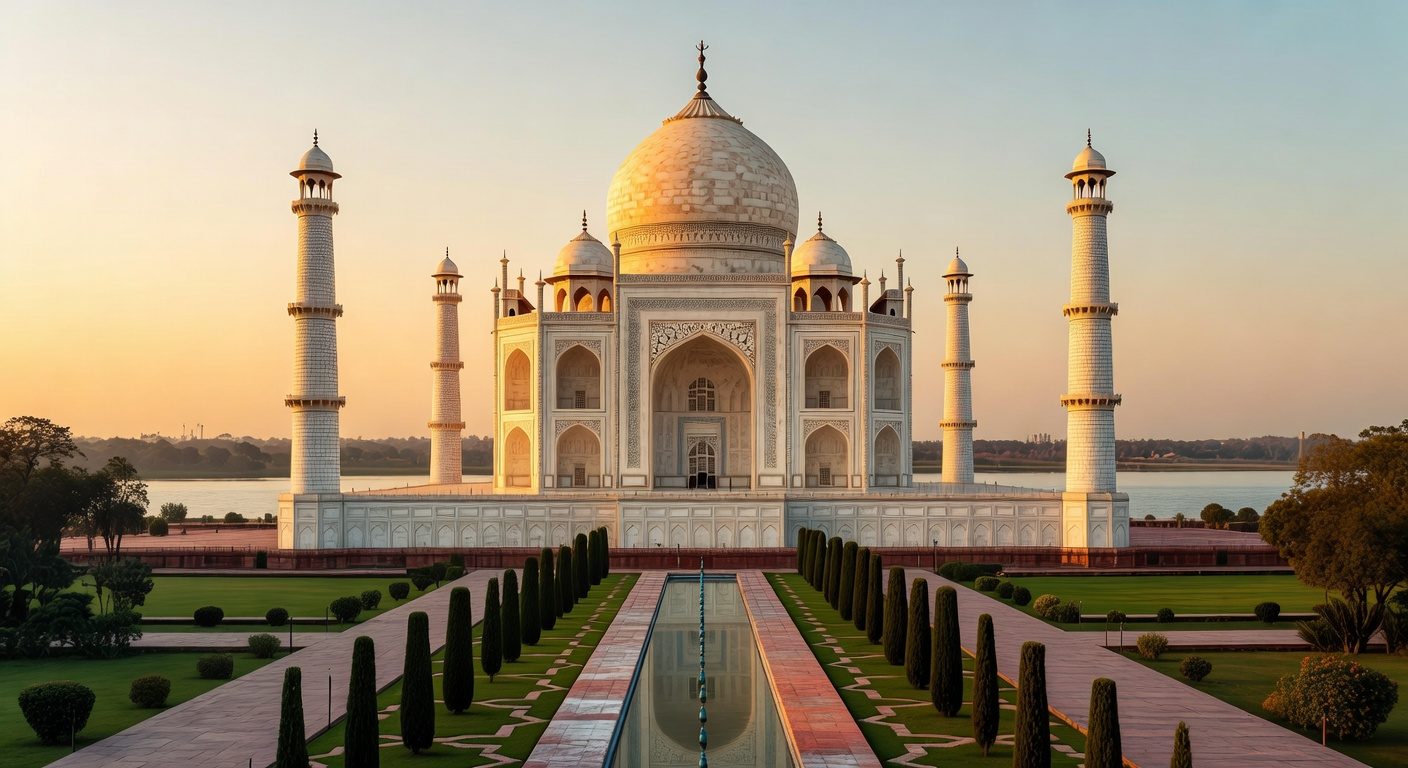
The Taj Mahal, built between 1632 and 1653 by Emperor Shah Jahan as a mausoleum for his wife Mumtaz Mahal, remains India's most iconic monument and one of the supreme architectural achievements of the Islamic world. Best seen at dawn, when the marble shifts through rose, gold, and white as the sun rises.

Turkey
Istanbul has been one of the world's most important cities for 2,700 years, serving as the capital of the Roman Empire, the Byzantine Empire, and the Ottoman Empire in succession. No other city on earth carries this density of layered history within a single landscape.
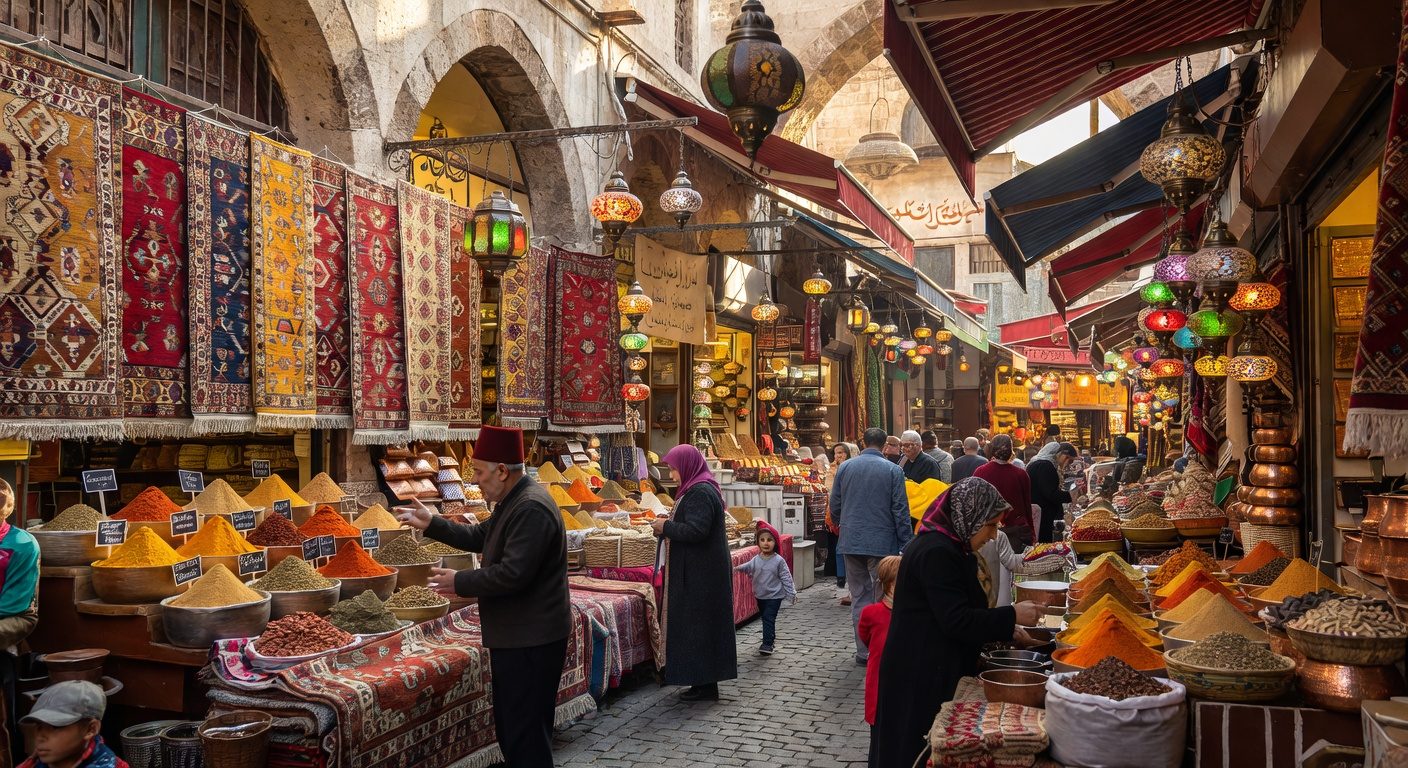
The Hagia Sophia — built in 537 CE, converted to a mosque in 1453, a museum in 1934, and returned to a mosque in 2020 — is a living embodiment of the city's complex identity. The Grand Bazaar, operational since 1461, and Topkapi Palace, the administrative heart of an empire, complete a heritage picture of extraordinary richness.
Plan Your Trip
Best Overall Season
Across most of Southeast and South Asia, the October–March period offers the best climate for heritage travel — cooler, drier, and less crowded.
Currency Tips
Many heritage sites, small temples, and rural cultural experiences across Asia still operate primarily on cash. Carry local currency and small denominations.
Photography Rules
Photography rules vary enormously across Asian heritage sites. Many temples prohibit flash; some prohibit cameras entirely. Always check signage and ask before shooting.
Dress Code
Shoulders and knees covered for all temples, shrines, and mosques across Asia. Carry a lightweight scarf as standard equipment for all heritage visits.
Language
A few words in the local language — hello, thank you, please, excuse me — transform the quality of cultural encounters everywhere in Asia.
Guides
Local licensed guides at major Asian heritage sites provide context, access, and perspectives impossible to obtain independently. Budget for a half-day guide at every major site.
"To understand Asia is to understand half of the human story."— Solar Flux Panel Array Editorial