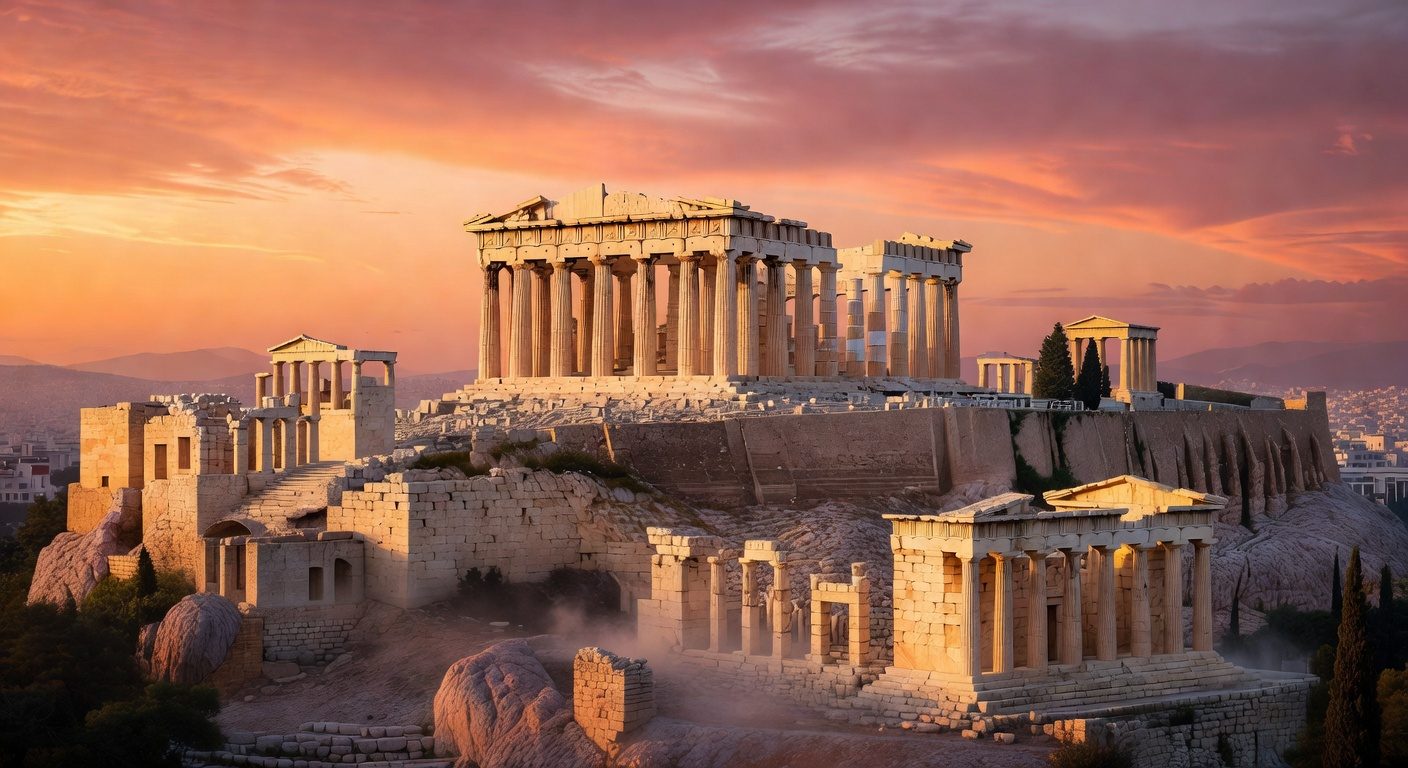
From the Acropolis to St Basil's Cathedral, from the Colosseum to Chartres — Europe's heritage sites are among the most visited and most significant in the world.

Italy
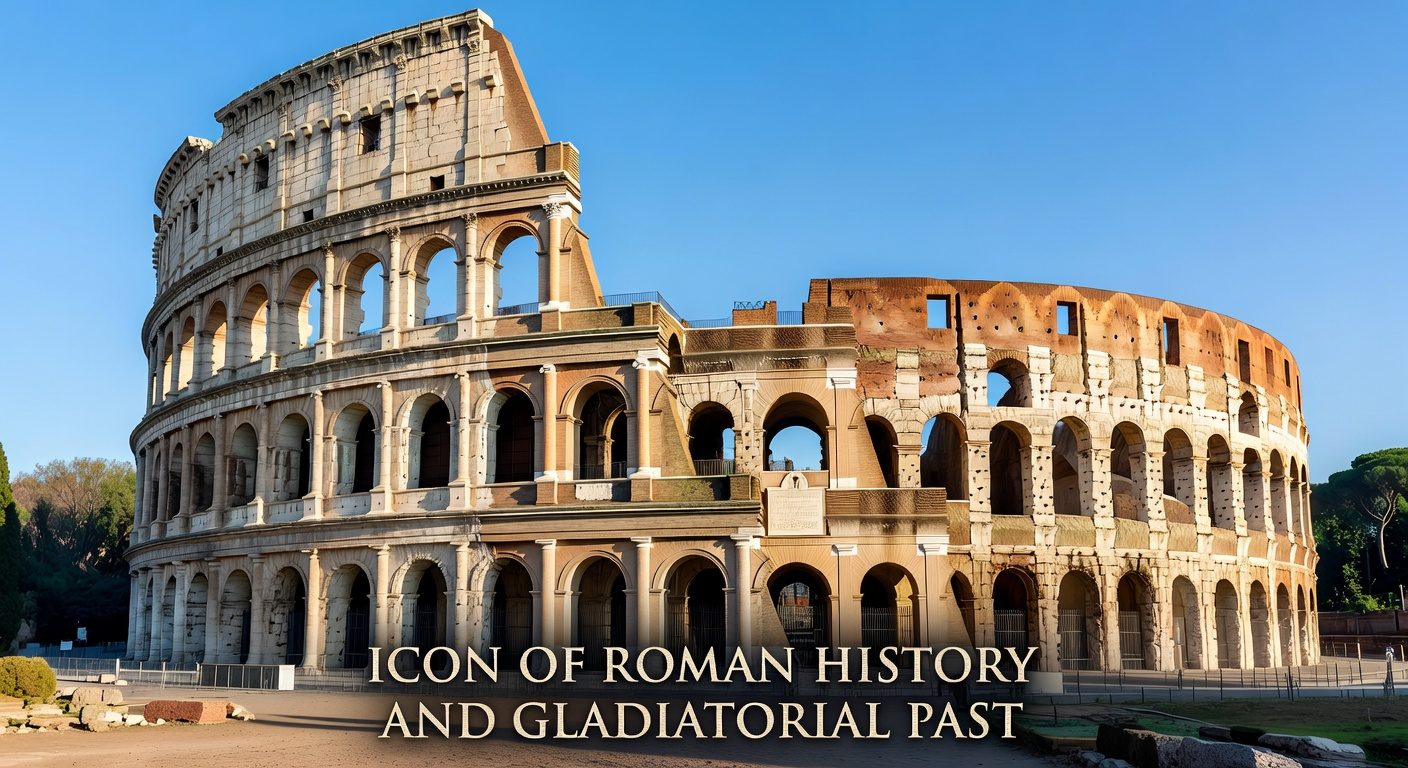
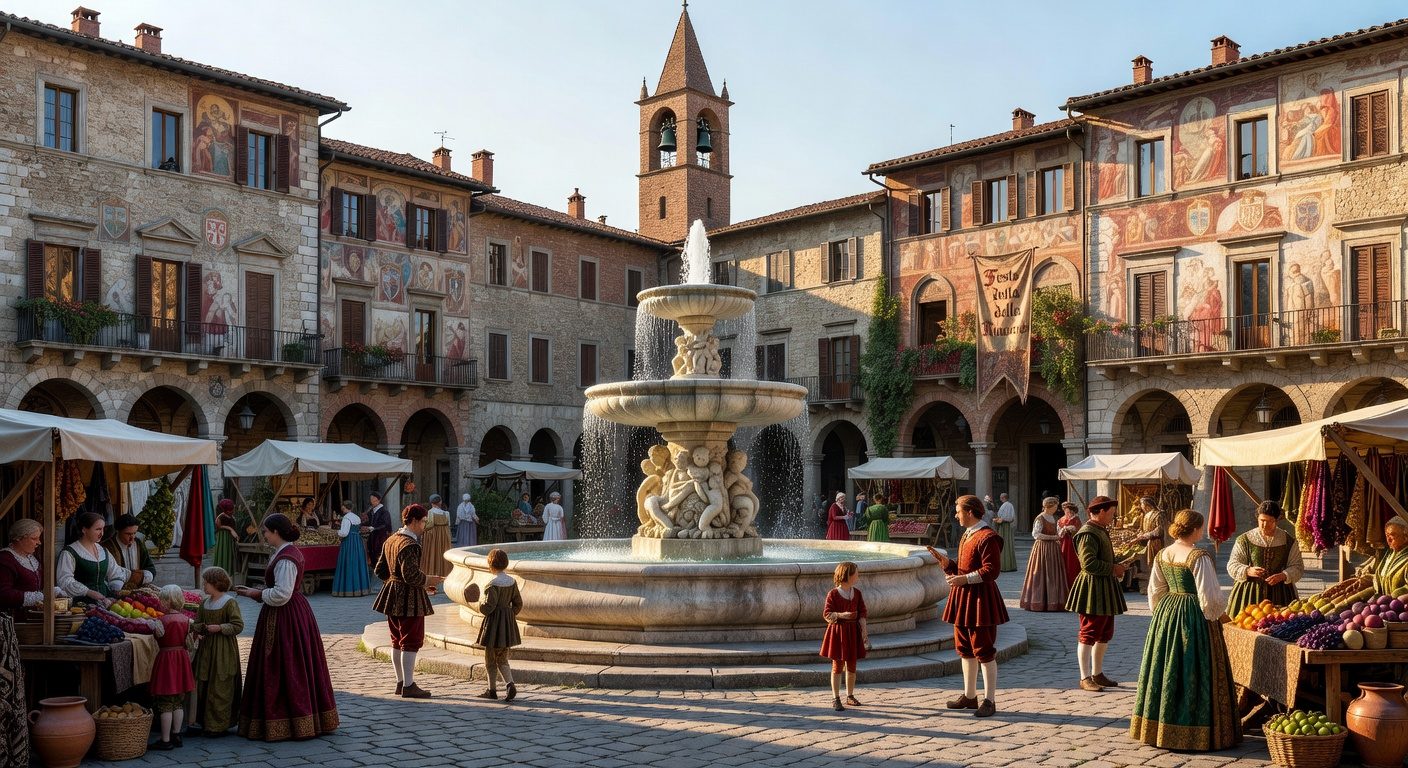
Italy contains more UNESCO World Heritage Sites than any other country on earth — 58 at last count. It is also, arguably, the country where classical antiquity, medieval Christianity, and Renaissance humanism are most palpably present as living cultural forces.
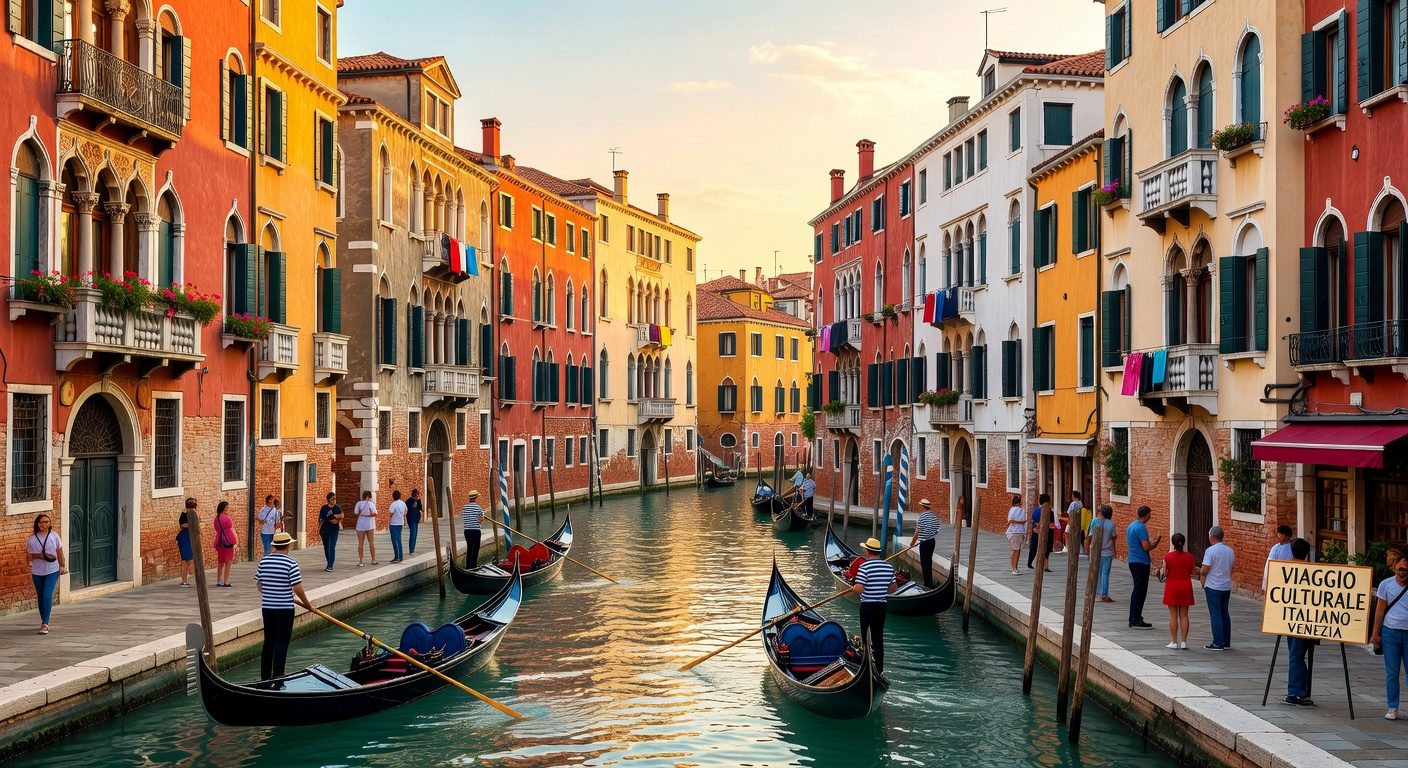
Rome is the Eternal City for good reason: Emperors, Popes, and artists each left indelible marks on the same urban fabric. Florence concentrated the Renaissance into a single extraordinary city of 300,000 people. Venice built a maritime empire and spent its wealth on architecture of incomparable beauty before slowly surrendering itself to the sea.

France
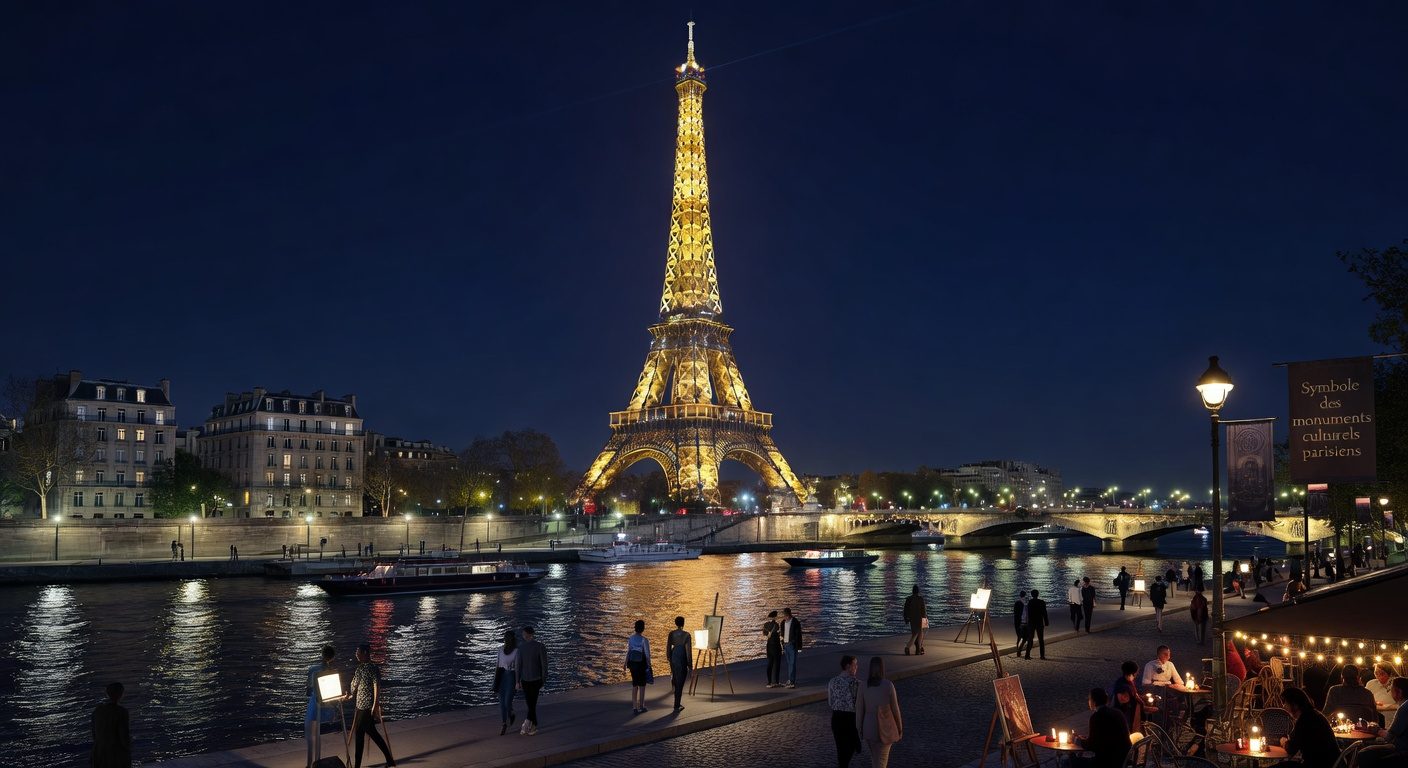
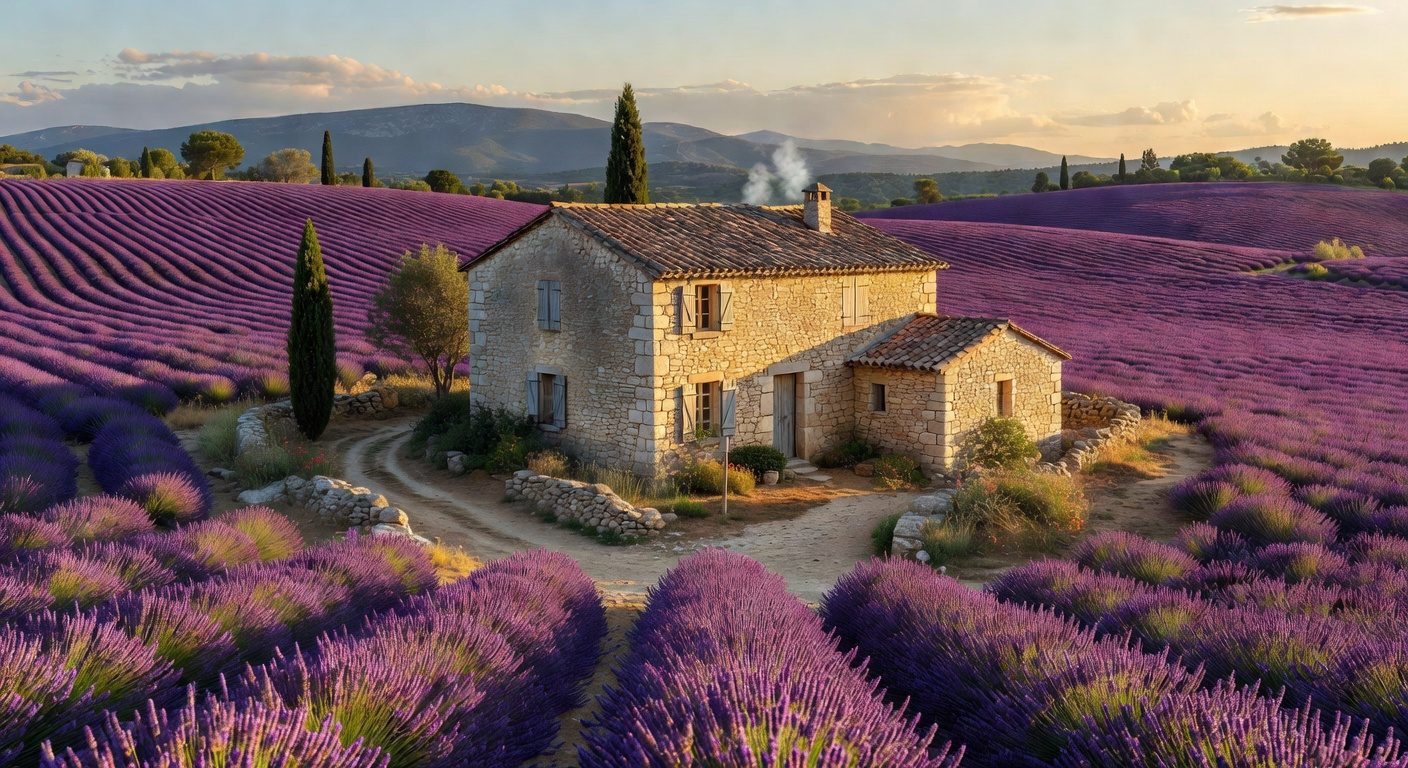
France has shaped Western culture — in art, cuisine, philosophy, architecture, and fashion — for five centuries. Paris alone contains the Louvre, Notre-Dame, Versailles, the Musée d'Orsay, and the Pompidou Centre; and yet it is France's regional heritage — the Romanesque abbeys of Burgundy, the megalithic sites of Brittany, the Roman theatres of Provence — that most repays exploration.
The Loire Valley's Renaissance châteaux, strung along France's longest river, represent one of the world's most concentrated assemblies of architectural heritage. Mont-Saint-Michel, rising from its tidal bay, is one of Europe's most singular built landscapes. Pre-Romanesque cave art at Lascaux extends the French heritage story back 17,000 years.

Russia
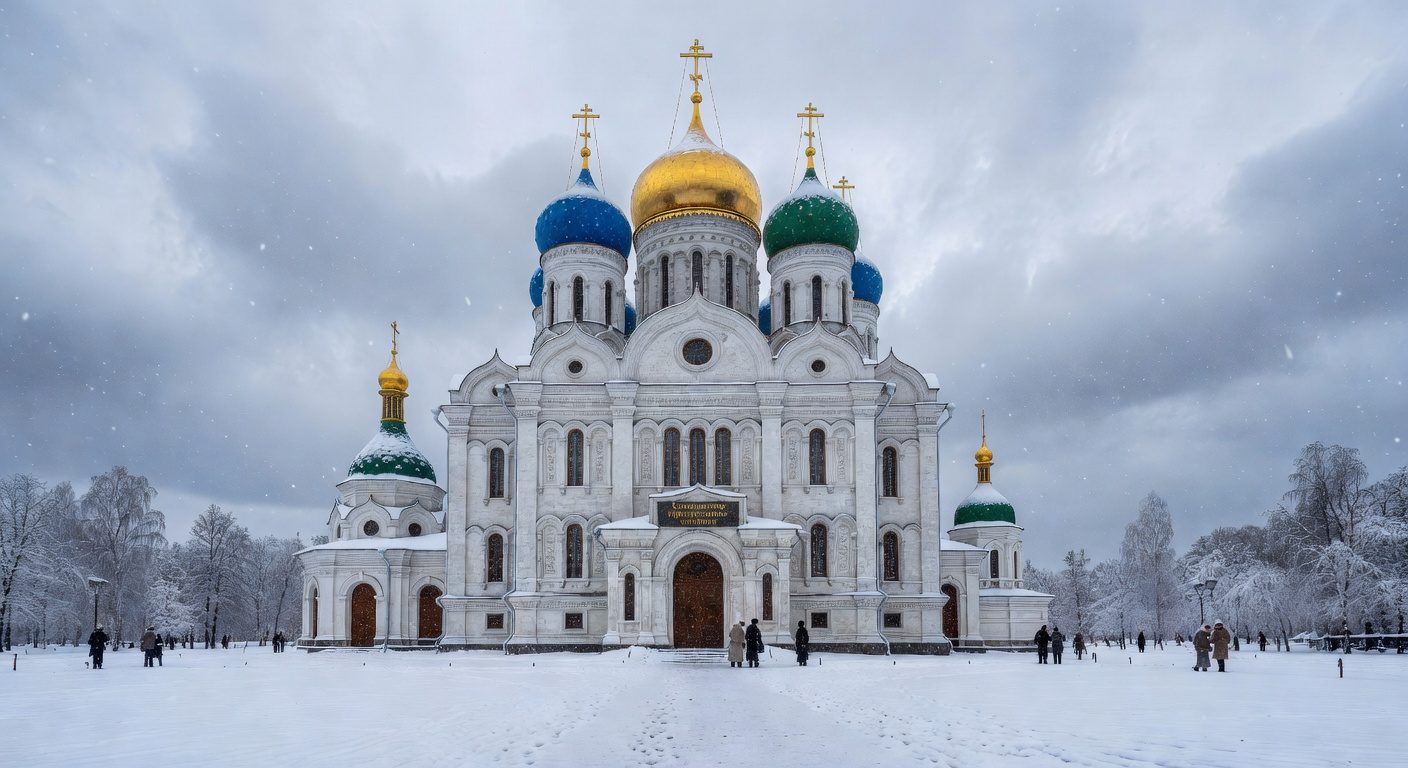
Russia's cultural heritage is at once familiar and profoundly foreign to Western European visitors. The onion domes of Orthodox churches, the Tsarist grandeur of St Petersburg's Hermitage Museum, and the brutal beauty of Soviet monumentalism constitute a layered heritage unlike anything in Western Europe.
St Basil's Cathedral in Moscow's Red Square — built by Ivan the Terrible between 1555 and 1561 to commemorate the capture of Kazan — is architecturally singular: its nine chapels each topped with a distinctly coloured and patterned onion dome, creating an effect that is simultaneously fantastical and deeply serious.

Scotland
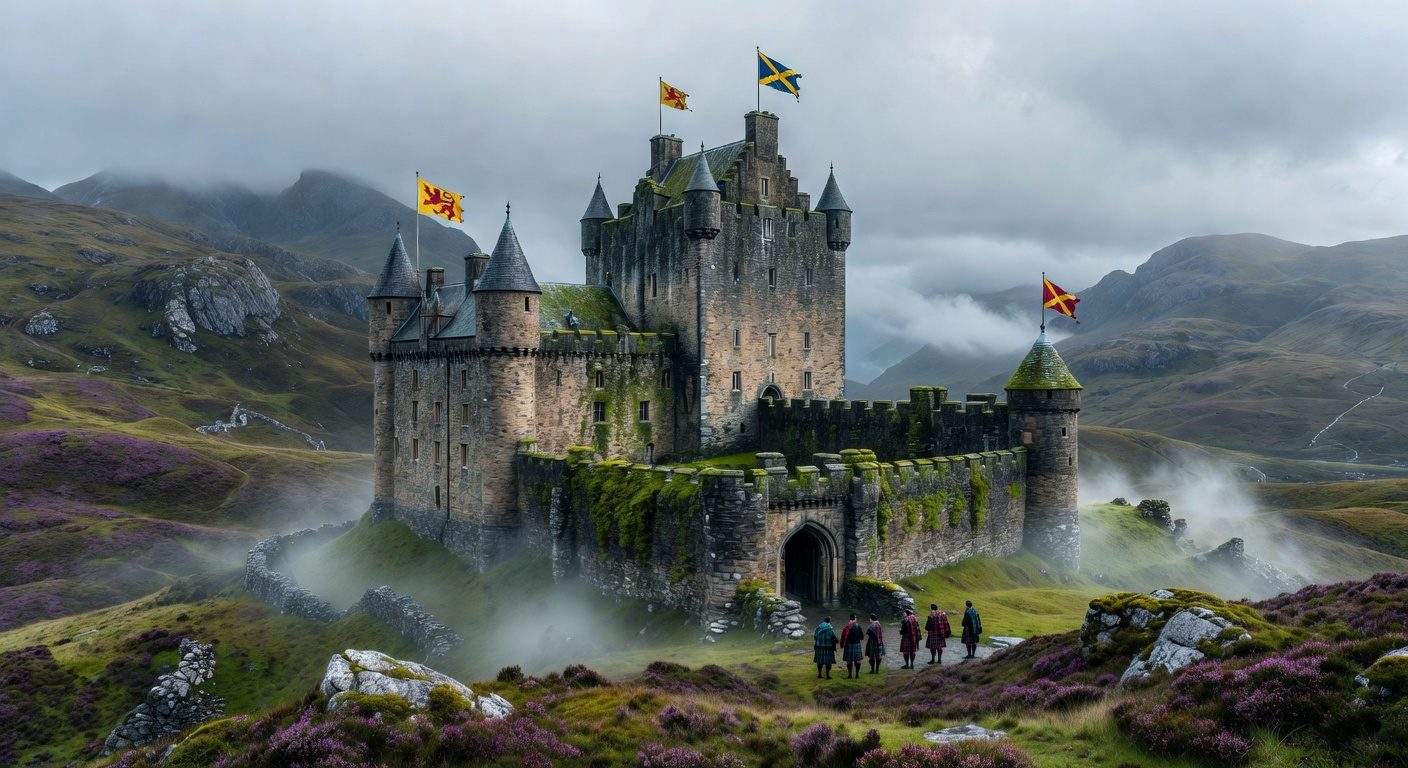
Scotland's heritage is physically inscribed in one of Europe's most dramatic landscapes: ruined castles on sea cliffs, Neolithic standing stones on windswept moors, early Christian monasteries on remote islands, and a living tradition of Gaelic language, music, and storytelling that refuses to disappear despite centuries of pressure.
The Orkney archipelago contains a concentration of Neolithic sites — Skara Brae, the Ring of Brodgar, Maeshowe — that rivals anything in the British Isles. Edinburgh's Royal Mile compresses seven centuries of Scottish history into a single medieval street. The Highland landscape itself, shaped by Clearances and myth in equal measure, is a heritage site without walls.
Travel Tips
The Colosseum, Vatican Museums, Uffizi, and Versailles all require advance booking. In peak season, these can sell out weeks ahead. Book as soon as your dates are confirmed.
October–March offers dramatically lower crowds, better prices, and equally beautiful conditions at most European heritage sites. Many travellers rate autumn as the finest time for serious cultural travel in Europe.
Paris Museum Pass, Rome's Archaeologia Card, Athens multi-site ticket — these passes typically pay for themselves in two to three visits and eliminate queue time at every included site.
"When you're in Rome, you're not just in a city. You're standing inside the brain of Western civilization."— Mary Beard, Classicist